Top 3 Yoga Styles for Beginners and Advanced Practitioners
Find the top 3 yoga styles for beginners and advanced practitioners. Discover the perfect yoga for your journey.
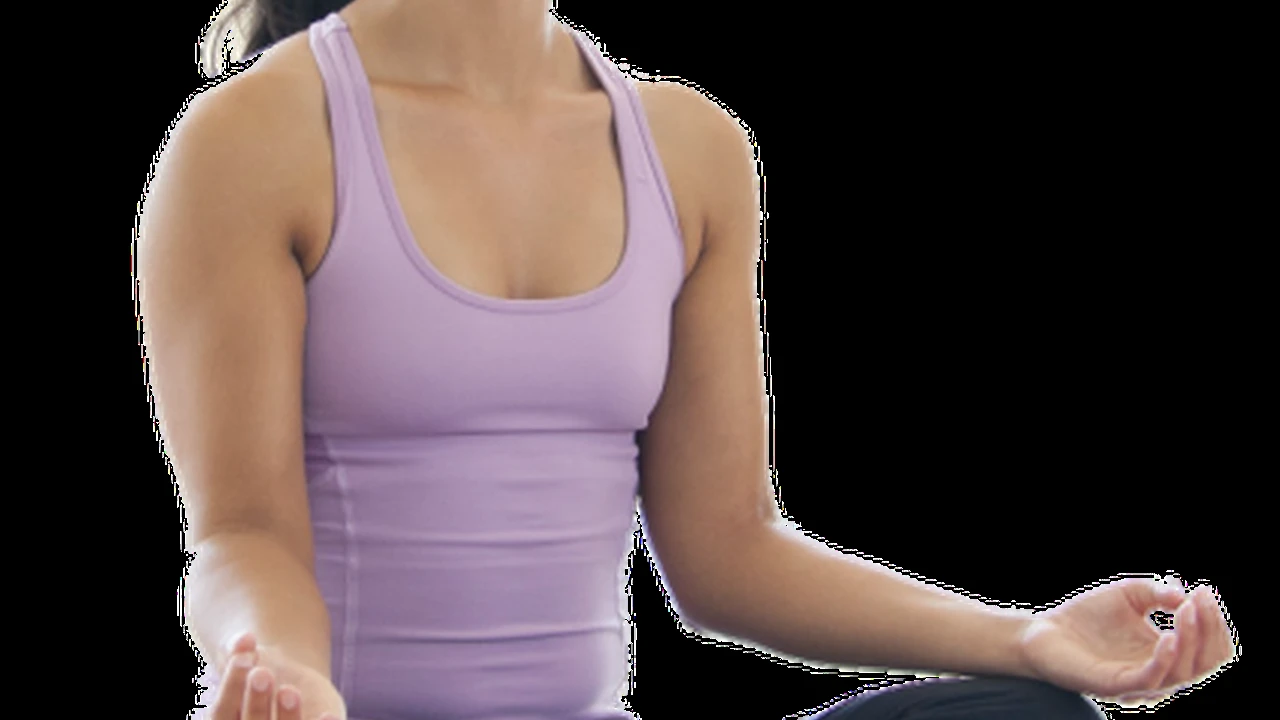
Find the top 3 yoga styles for beginners and advanced practitioners. Discover the perfect yoga for your journey.
Top 3 Yoga Styles for Beginners and Advanced Practitioners
Hey there, fellow wellness seekers! So, you're looking to dive into the wonderful world of yoga, or maybe you're a seasoned yogi looking to explore new avenues. That's awesome! Yoga isn't just about touching your toes; it's a holistic practice that can transform your body, mind, and spirit. But with so many styles out there, it can feel a bit overwhelming, right? Don't sweat it! We're here to break down the top three yoga styles that cater to everyone, from absolute beginners to advanced practitioners. We'll talk about what makes each style unique, who it's best for, and even recommend some gear to get you started. Let's get bendy!
H2: Vinyasa Yoga The Flowing Dynamic Practice for All Levels
First up, let's talk about Vinyasa yoga. If you've ever heard someone say 'flow yoga,' they were probably talking about Vinyasa. This style is all about synchronizing your breath with continuous movement, creating a dynamic and fluid sequence of poses. Think of it like a dance, where one pose seamlessly transitions into the next. No two Vinyasa classes are exactly alike, which is part of its charm! Teachers often get creative with their sequences, keeping things fresh and engaging.
H3: What is Vinyasa Yoga and Its Benefits
Vinyasa literally means 'to place in a special way,' referring to the intelligent sequencing of poses. The core idea is to link movement with breath, often starting with sun salutations and building from there. This continuous movement gets your heart rate up, making it a fantastic cardiovascular workout. You'll build strength, increase flexibility, and improve your balance. Beyond the physical, the focus on breath (pranayama) helps calm the mind, reduce stress, and improve concentration. It's a moving meditation that leaves you feeling energized yet grounded.
H3: Who is Vinyasa Yoga Best For Beginners and Advanced Yogis
Vinyasa is incredibly versatile, making it suitable for a wide range of practitioners. If you're a beginner, look for 'beginner Vinyasa' or 'foundational Vinyasa' classes. These will move at a slower pace, allowing you to learn the basic poses and transitions. You'll build a solid foundation and get comfortable with the flow. For advanced practitioners, Vinyasa offers endless possibilities for challenging sequences, arm balances, inversions, and deeper stretches. The dynamic nature means you can always find a new way to push your limits and explore your practice.
H3: Essential Gear for Vinyasa Yoga Mats Blocks Straps
To get started with Vinyasa, you'll definitely want a good yoga mat. For Vinyasa, grip is key, especially as you start to sweat. Here are a couple of recommendations:
- Liforme Yoga Mat: This mat is a favorite among many yogis for its incredible grip, even when wet, and its unique alignment markers. It's a bit pricier, usually around $140-$160 USD, but it's super durable and worth the investment for serious practitioners. You can find it on Amazon or Liforme's official website.
- Manduka PROlite Yoga Mat: Another excellent choice, known for its density and support. It offers good grip and is lighter than the full Manduka PRO. Expect to pay around $90-$110 USD. Available on Amazon and Manduka's website.
- Gaiam Premium Yoga Mat: A more budget-friendly option, typically around $30-$40 USD. It offers decent cushioning and grip for beginners. Widely available at sporting goods stores and online retailers like Amazon.
You'll also want some props:
- Yoga Blocks: These are fantastic for bringing the floor closer to you, helping with balance, and deepening stretches. A set of two cork or foam blocks usually costs between $15-$30 USD. Brands like Gaiam, Manduka, and Hugger Mugger offer great options.
- Yoga Strap: Great for extending your reach in stretches and improving flexibility. A basic cotton strap is usually $10-$20 USD.
H2: Hatha Yoga The Foundational Practice for Strength and Stillness
Next up, we have Hatha yoga. Now, this one can be a bit confusing because 'Hatha' is actually an umbrella term for almost all physical yoga practices. However, in a class setting, 'Hatha yoga' typically refers to a slower-paced practice that focuses on holding poses for longer durations, emphasizing alignment, and incorporating breathwork and meditation. It's less about the flow and more about finding stillness within each posture.
H3: Exploring Hatha Yoga Its Principles and Benefits
Hatha yoga is often considered the foundation of all modern yoga styles. The word 'Hatha' itself can be broken down into 'Ha' (sun) and 'Tha' (moon), symbolizing the balance of opposing energies. In a Hatha class, you'll typically move through a series of poses (asanas) with breaks in between, allowing you to really settle into each posture and focus on your alignment. This deliberate pace helps build incredible strength, endurance, and flexibility. It's also fantastic for developing body awareness and cultivating a sense of calm and mindfulness. The longer holds allow for deeper stretches and a more profound connection to your breath.
H3: Who Benefits Most from Hatha Yoga Beginners and Those Seeking Calm
Hatha yoga is absolutely perfect for beginners. The slower pace gives you ample time to understand each pose, adjust your alignment, and build foundational strength. It's also ideal for anyone looking to reduce stress, improve focus, and cultivate a sense of inner peace. If you find Vinyasa too fast-paced or prefer a more meditative approach to your physical practice, Hatha is definitely worth exploring. Even advanced practitioners can benefit from Hatha by refining their alignment, deepening their understanding of poses, and cultivating greater mindfulness.
H3: Recommended Gear for Hatha Yoga Comfort and Support
For Hatha yoga, comfort and support are key. While the mat recommendations for Vinyasa still apply, you might also consider:
- Yoga Blanket: A folded blanket can provide cushioning for seated poses, support for your head in inversions, or warmth during savasana. Brands like Hugger Mugger or Manduka offer good quality yoga blankets, typically ranging from $30-$50 USD.
- Bolster: A yoga bolster is a firm, elongated cushion that provides support in restorative poses, gentle backbends, and meditation. They can be a bit of an investment, usually $60-$90 USD, but they significantly enhance comfort and relaxation. Look for brands like Hugger Mugger or Zafu & Zabuton.
- Eye Pillow: A small, weighted eye pillow can be a game-changer for savasana (final relaxation), blocking out light and gently pressing on your eyes to deepen relaxation. These are usually quite affordable, around $10-$20 USD.
H2: Restorative Yoga The Gentle Practice for Deep Relaxation and Healing
Last but certainly not least, let's talk about Restorative yoga. If you're feeling stressed, burnt out, or just need some serious chill time, Restorative yoga is your new best friend. This style is all about supporting your body with props to achieve deep relaxation and release tension. You'll hold poses for extended periods, often 5-20 minutes, allowing your body to completely surrender and your nervous system to calm down.
H3: Understanding Restorative Yoga Its Purpose and Healing Benefits
The primary goal of Restorative yoga is to activate the parasympathetic nervous system, which is responsible for 'rest and digest.' By fully supporting the body with props like bolsters, blankets, and blocks, you can release muscular effort and allow your body to relax deeply. This isn't about stretching or strengthening; it's about healing, rejuvenating, and reducing stress. The benefits are immense: improved sleep, reduced anxiety, enhanced mood, and a greater sense of overall well-being. It's a powerful antidote to our fast-paced modern lives.
H3: Who is Restorative Yoga Ideal For Stress Relief and Recovery
Restorative yoga is perfect for absolutely everyone, regardless of age, fitness level, or yoga experience. It's particularly beneficial for:
- Anyone experiencing high levels of stress or anxiety.
- Individuals recovering from illness or injury.
- Athletes needing deep recovery and muscle release.
- Pregnant individuals seeking gentle movement and relaxation.
- Anyone looking to improve sleep quality.
- Beginners who want a gentle introduction to yoga and mindfulness.
Even advanced yogis can find profound benefits in slowing down and allowing their bodies to fully release tension.
H3: Essential Props for Restorative Yoga Bolsters Blankets and More
For Restorative yoga, props are not optional; they are essential! The more props you have, the more comfortable and supported you'll be. Here's what you'll want:
- Yoga Bolsters: As mentioned for Hatha, these are crucial for Restorative. You might even want two! Rectangular bolsters are great for supporting the spine, while round bolsters are good for under the knees or ankles. Brands like Hugger Mugger, Manduka, and Zafu & Zabuton offer excellent quality bolsters, typically $60-$90 USD each.
- Yoga Blankets: You'll want several! Wool or cotton blankets are ideal for cushioning, warmth, and support. Having 2-4 blankets is not uncommon for a Restorative practice. Expect to pay $30-$50 USD per blanket.
- Yoga Blocks: Again, a set of two blocks is very useful for supporting bolsters or providing gentle elevation.
- Eye Pillow: Absolutely essential for deep relaxation in Restorative poses.
- Strap: While less critical than in Vinyasa or Hatha, a strap can sometimes be used to gently bind limbs or provide support.
H2: Comparing Yoga Styles Finding Your Perfect Practice
So, how do you choose? It really depends on what you're looking for on any given day. Think of these styles as different tools in your wellness toolkit.
- Vinyasa: If you're looking for a dynamic workout, to build heat, strength, and flexibility, and enjoy a creative, flowing practice, Vinyasa is probably for you. It's great for burning off energy and feeling invigorated.
- Hatha: If you prefer a slower pace, want to focus on alignment, build foundational strength, and cultivate mindfulness with longer holds, Hatha is an excellent choice. It's perfect for beginners and those seeking a more deliberate, meditative physical practice.
- Restorative: If you're feeling stressed, tired, or need deep relaxation and recovery, Restorative yoga is your go-to. It's about nurturing your body and mind, allowing for profound rest and healing.
Many yogis practice a combination of these styles, depending on their energy levels and needs. For example, you might do Vinyasa a couple of times a week for strength and cardio, and then balance it out with a Hatha or Restorative class to unwind and recover.
H2: Getting Started with Yoga Tips for Beginners and Beyond
No matter which style you choose, here are a few tips to help you on your yoga journey:
- Start Slow: Don't try to do everything at once. Listen to your body and don't push yourself into pain. Yoga is a practice, not a performance.
- Find a Good Teacher: A knowledgeable and compassionate teacher can make all the difference, especially when you're starting out. Look for studios that offer beginner-friendly classes.
- Be Consistent: Even short, regular practices are more beneficial than sporadic long ones. Aim for 2-3 times a week to start.
- Embrace Props: Don't think of props as a crutch! They are tools to help you find comfort, stability, and deeper access to poses.
- Breathe: Remember that the breath is the heart of your yoga practice. Pay attention to it, and let it guide your movements and help you find stillness.
- Be Patient and Kind to Yourself: Yoga is a journey of self-discovery. There will be days when it feels easy and days when it feels challenging. That's all part of the process.
Whether you're flowing through Vinyasa, holding strong in Hatha, or melting into a Restorative pose, remember that yoga is about connecting with yourself. It's about finding balance, strength, and peace, both on and off the mat. So grab your mat, maybe a bolster or two, and embark on this incredible journey. Your body and mind will thank you!
:max_bytes(150000):strip_icc()/277019-baked-pork-chops-with-cream-of-mushroom-soup-DDMFS-beauty-4x3-BG-7505-5762b731cf30447d9cbbbbbf387beafa.jpg)