Comparing Traditional Chinese Medicine vs Western Medicine
Compare Traditional Chinese Medicine vs Western Medicine. Explore different approaches to health and healing.
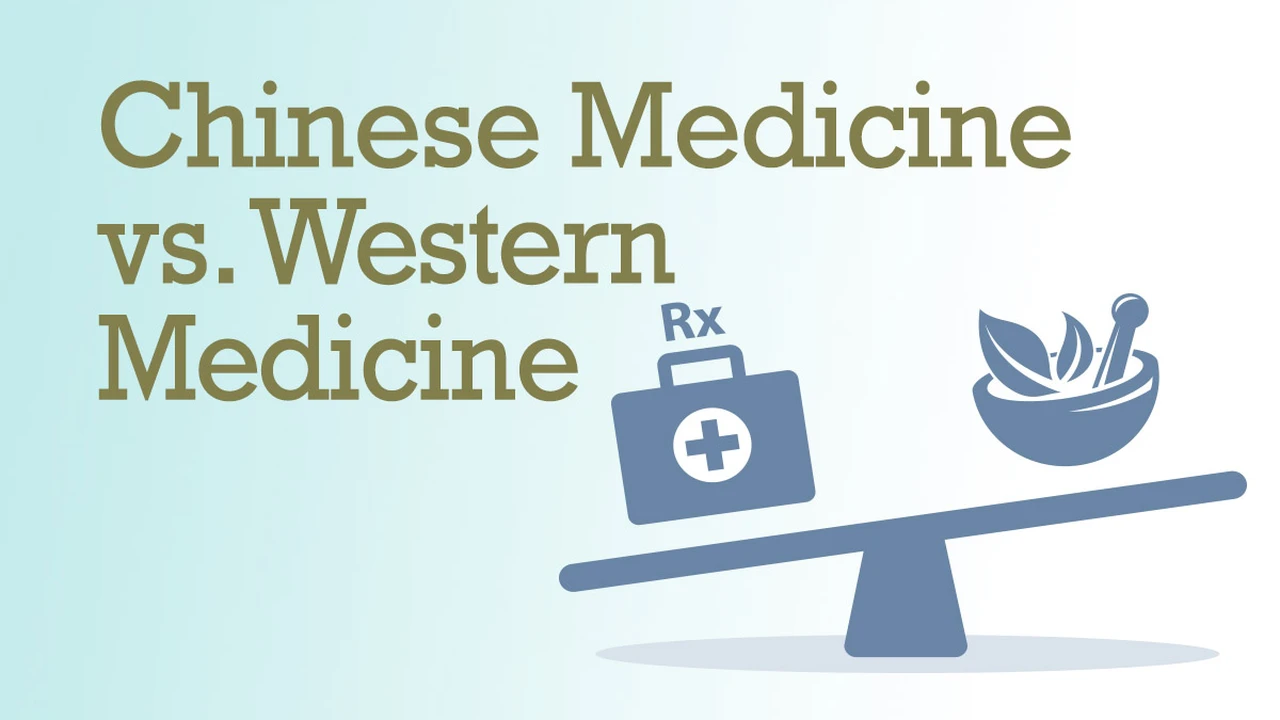
Compare Traditional Chinese Medicine vs Western Medicine. Explore different approaches to health and healing.
Comparing Traditional Chinese Medicine vs Western Medicine
Hey there, ever wondered about the different ways people approach health and healing around the world? It's a fascinating topic, especially when you look at two major systems: Traditional Chinese Medicine (TCM) and Western Medicine. They're both incredibly powerful in their own right, but they come from completely different philosophies and have distinct ways of looking at the human body and how to fix it when things go wrong. Let's dive in and compare these two giants of healthcare, exploring their unique strengths, how they diagnose and treat, and even some specific products and scenarios where one might shine brighter than the other. We'll also touch on how they can sometimes even work together for a more holistic approach to your well-being.
Understanding Traditional Chinese Medicine TCM Holistic Harmony
So, what exactly is Traditional Chinese Medicine? Think of it as a healthcare system that's been around for thousands of years, evolving and refining its practices. At its core, TCM views the body as an interconnected system, a miniature universe where everything is linked. It's all about balance – specifically, the balance of 'Qi' (pronounced 'chee'), which is your vital life force or energy, and the interplay of Yin and Yang, two opposing but complementary forces. When these are out of whack, that's when illness creeps in.
Key Concepts in TCM Qi Yin Yang and Meridians
Let's break down some of these core concepts. Qi is like the invisible engine that powers your body. It flows through specific pathways called meridians, which are like energetic highways connecting all your organs and body parts. When Qi flows smoothly and is abundant, you're healthy. Blockages or deficiencies in Qi can lead to pain, fatigue, and various ailments. Yin and Yang represent duality – light and dark, hot and cold, active and passive. In a healthy body, Yin and Yang are in harmonious balance. Too much Yin (cold, dampness) or too much Yang (heat, inflammation) can disrupt this equilibrium.
TCM Diagnosis Methods Pulse and Tongue Reading
How does a TCM practitioner figure out what's going on? It's quite different from a Western doctor. They'll often spend a lot of time talking to you, asking about your lifestyle, diet, emotions, and even your sleep patterns. But two of the most distinctive diagnostic tools are pulse diagnosis and tongue diagnosis. By feeling different positions on your wrist, a practitioner can assess the quality, rhythm, and strength of your pulse, which gives them clues about the health of various organs and the flow of Qi. Similarly, the color, shape, coating, and moisture of your tongue can reveal imbalances within your body. It's like a personalized map of your internal health!
TCM Treatment Modalities Acupuncture Herbal Medicine and Cupping
Once a diagnosis is made, TCM offers a range of treatments aimed at restoring balance. Acupuncture is probably the most well-known. It involves inserting thin needles into specific points along the meridians to stimulate Qi flow and promote healing. Many people find it incredibly effective for pain relief, stress reduction, and even fertility issues. Then there's herbal medicine, which uses combinations of natural plants, minerals, and animal products (though plant-based is most common now) to create custom formulas. These formulas are designed to address specific imbalances and symptoms. For example, for someone experiencing a 'cold' condition with fatigue and poor digestion, a warming herbal formula might be prescribed. Another popular technique is cupping, where heated cups are placed on the skin to create suction, which is believed to improve blood flow and relieve muscle tension. Moxibustion, which involves burning dried mugwort near acupuncture points, is used to warm and invigorate Qi. And let's not forget Tui Na massage, a therapeutic form of bodywork that uses various hand techniques to stimulate acupuncture points and meridians.
Exploring Western Medicine Evidence Based and Symptom Focused
Now, let's shift gears to Western Medicine, also known as conventional medicine or allopathic medicine. This is likely what you're most familiar with, as it's the dominant healthcare system in many parts of the world, including the US and Southeast Asia. Western Medicine operates on a very different premise: it's largely evidence-based and focuses on identifying and treating specific diseases or symptoms.
Western Medicine Diagnosis Lab Tests Imaging and Physical Exams
When you go to a Western doctor, the diagnostic process usually involves a physical examination, taking your medical history, and then often moves into more objective tests. These can include blood tests to check for infections, hormone levels, or organ function; imaging scans like X-rays, MRIs, or CT scans to visualize internal structures; and biopsies to examine tissue samples. The goal is to pinpoint the exact cause of the illness, often at a cellular or molecular level.
Western Medicine Treatment Pharmaceuticals Surgery and Lifestyle Advice
Treatment in Western Medicine is often targeted and specific. Pharmaceutical drugs are a cornerstone, designed to alleviate symptoms, kill bacteria, reduce inflammation, or correct chemical imbalances. For example, antibiotics for bacterial infections, pain relievers for headaches, or insulin for diabetes. Surgery is another powerful tool, used to repair injuries, remove diseased tissue, or replace organs. And while often overlooked, lifestyle advice – like diet and exercise recommendations – is also a crucial part of Western medical care, especially for chronic conditions.
Comparing Philosophies Holistic vs Reductionist Approaches
The fundamental difference between TCM and Western Medicine lies in their philosophical approaches. TCM is inherently holistic. It looks at the entire person – body, mind, and spirit – and seeks to understand the root cause of imbalance, rather than just treating symptoms. It's about restoring the body's natural ability to heal itself. Western Medicine, on the other hand, is often described as reductionist. It tends to break the body down into its individual parts and systems, focusing on specific diseases and their mechanisms. While incredibly effective for acute conditions and emergencies, critics sometimes argue it can miss the bigger picture of a person's overall health and well-being.
When to Choose Which Specific Scenarios and Conditions
So, when might you choose one over the other, or even combine them? It really depends on the situation.
Acute Conditions and Emergencies Western Medicine Excels
For acute conditions, emergencies, and trauma, Western Medicine is generally the undisputed champion. If you have a broken bone, a severe infection, a heart attack, or need emergency surgery, Western hospitals and doctors are equipped to provide life-saving interventions quickly and effectively. Their diagnostic tools and surgical techniques are unparalleled in these scenarios.
Chronic Conditions and Wellness TCM Strengths
Where TCM often shines is in managing chronic conditions, promoting overall wellness, and addressing issues where Western Medicine might not have a clear answer. For example, many people turn to acupuncture for chronic pain (like back pain or migraines), infertility, anxiety, or digestive issues that haven't responded well to conventional treatments. Herbal medicine can be very effective for boosting immunity, improving energy levels, or managing conditions like irritable bowel syndrome. It's also often sought after for preventative care and maintaining health.
Integrative Approaches Combining the Best of Both Worlds
Increasingly, people are looking for integrative approaches, combining the strengths of both systems. This might mean using acupuncture to manage the side effects of chemotherapy, or incorporating herbal remedies to support recovery after surgery. Many Western doctors are also becoming more open to referring patients to TCM practitioners for complementary care, recognizing the benefits of a holistic approach alongside conventional treatments.
Specific Product Recommendations and Usage Scenarios
Let's get a bit more practical and talk about some specific products and scenarios where you might encounter these different approaches, along with some price points to give you an idea.
TCM Products and Their Applications
When it comes to TCM, you're often looking at natural remedies and tools. Here are a few examples:
- Herbal Formulas: These are highly personalized, but you can find some standardized formulas for common ailments. For example, Xiao Yao San (Free and Easy Wanderer) is a classic formula often used for stress, anxiety, and digestive issues related to liver Qi stagnation. A month's supply of a reputable brand like Plum Flower or Evergreen Herbs might cost anywhere from $20-$60 USD, depending on the concentration and brand. You'd typically take these as directed by a practitioner, often in pill or granule form, mixed with hot water.
- Acupuncture Needles: While you wouldn't use these yourself (please don't!), they are the core 'product' of acupuncture. A session with a licensed acupuncturist in the US can range from $75-$150 USD per session, with packages often available. In Southeast Asia, prices can be significantly lower, perhaps $20-$50 USD per session. The usage scenario is typically for pain relief, stress, fertility, or chronic conditions.
- Cupping Sets: You can actually buy home cupping sets, often made of silicone or plastic, for around $15-$40 USD. Brands like Lure Essentials offer popular silicone sets. These are used to relieve muscle tension, improve circulation, and can be applied to areas like the back, shoulders, or legs. It's important to follow instructions carefully to avoid bruising or skin irritation.
- Moxa Sticks: These dried mugwort sticks are used for moxibustion. A pack of 10-20 sticks might cost $10-$25 USD. They are lit and held near acupuncture points to provide warmth, often used for conditions like cold hands/feet, menstrual pain, or digestive issues. Again, caution is key to avoid burns.
Western Medicine Products and Their Applications
Western Medicine products are generally more standardized and widely available:
- Over-the-Counter Pain Relievers: Think Ibuprofen (Advil, Motrin) or Acetaminophen (Tylenol). A bottle of 100 pills might cost $5-$15 USD. These are used for headaches, muscle aches, fever, and minor pain relief.
- Antibiotics: These are prescription-only and vary widely in price depending on the type and dosage. A course of antibiotics like Amoxicillin might cost $10-$50 USD without insurance, but can be much higher for newer, specialized antibiotics. They are used to treat bacterial infections.
- Blood Pressure Monitors: For managing hypertension, a home blood pressure monitor from brands like Omron or Withings can range from $40-$100 USD. These are used daily or as needed to track blood pressure readings.
- Glucose Meters: For diabetics, a glucose meter from brands like Accu-Chek or Freestyle Libre can cost $20-$70 USD, with test strips being an ongoing expense (often $20-$50 USD for a box of 50-100). These are essential for monitoring blood sugar levels.
- Topical Creams for Skin Conditions: For conditions like eczema or acne, prescription creams like hydrocortisone or tretinoin can range from $15-$100+ USD depending on insurance and brand. Over-the-counter options like benzoyl peroxide or salicylic acid creams are typically $5-$20 USD.
The Future of Healthcare Integration and Personalized Medicine
Looking ahead, it's clear that the future of healthcare isn't about choosing one system over the other, but rather finding ways for them to complement each other. The concept of personalized medicine, where treatments are tailored to an individual's unique genetic makeup, lifestyle, and environment, is gaining traction in Western Medicine. This actually aligns quite well with TCM's individualized approach to diagnosis and treatment. We're seeing more research into the efficacy of TCM practices using Western scientific methods, and a growing recognition that a truly holistic approach to health can yield the best outcomes. Imagine a world where your Western doctor works hand-in-hand with your TCM practitioner, creating a comprehensive health plan that addresses both acute symptoms and underlying imbalances. That's the dream, right?
Making Informed Choices Your Health Journey
Ultimately, your health journey is personal. Understanding the differences between Traditional Chinese Medicine and Western Medicine empowers you to make informed choices. Don't be afraid to ask questions, seek second opinions, and explore different avenues of healing. Whether you're dealing with a sudden illness, managing a chronic condition, or simply striving for optimal wellness, knowing the strengths and limitations of each system can help you navigate the complex world of healthcare and find the path that's right for you. It's all about finding what resonates with your body and helps you feel your best, inside and out.
:max_bytes(150000):strip_icc()/277019-baked-pork-chops-with-cream-of-mushroom-soup-DDMFS-beauty-4x3-BG-7505-5762b731cf30447d9cbbbbbf387beafa.jpg)