The Truth About Sugar Substitutes Are They Safe
Uncover the truth about sugar substitutes. Are artificial sweeteners safe? Get the facts on their health impact.
Uncover the truth about sugar substitutes. Are artificial sweeteners safe? Get the facts on their health impact.
The Truth About Sugar Substitutes Are They Safe
Hey there, health enthusiasts! Let's dive deep into a topic that's probably crossed your mind more than once: sugar substitutes. We're constantly bombarded with messages about reducing sugar intake, and rightly so. Excessive sugar consumption is linked to a whole host of health issues, from obesity and type 2 diabetes to heart disease. So, it's no wonder that many of us turn to sugar substitutes as a seemingly guilt-free way to satisfy our sweet cravings. But are these artificial sweeteners and natural alternatives truly safe? Do they live up to their promises, or are there hidden downsides we should be aware of? Let's break it all down.
Understanding Sugar Substitutes What Are They
First things first, what exactly are we talking about when we say 'sugar substitutes'? This term is pretty broad and covers a range of products designed to provide sweetness without the calories or glycemic impact of traditional sugar. They can be broadly categorized into two main groups: artificial sweeteners and natural sweeteners (or natural sugar alternatives).
Artificial Sweeteners Exploring Synthetic Options
Artificial sweeteners, also known as high-intensity sweeteners, are synthetic compounds that are many times sweeter than sugar. Because of their intense sweetness, only tiny amounts are needed, which means they contribute very few to no calories to your diet. They're often found in 'diet' or 'sugar-free' products like sodas, yogurts, chewing gum, and even some baked goods. The most common ones you've probably heard of include:
- Aspartame: You'll often see this in products like Diet Coke or Equal packets. It's about 200 times sweeter than sugar.
- Saccharin: One of the oldest artificial sweeteners, found in Sweet'N Low. It's 200-700 times sweeter than sugar.
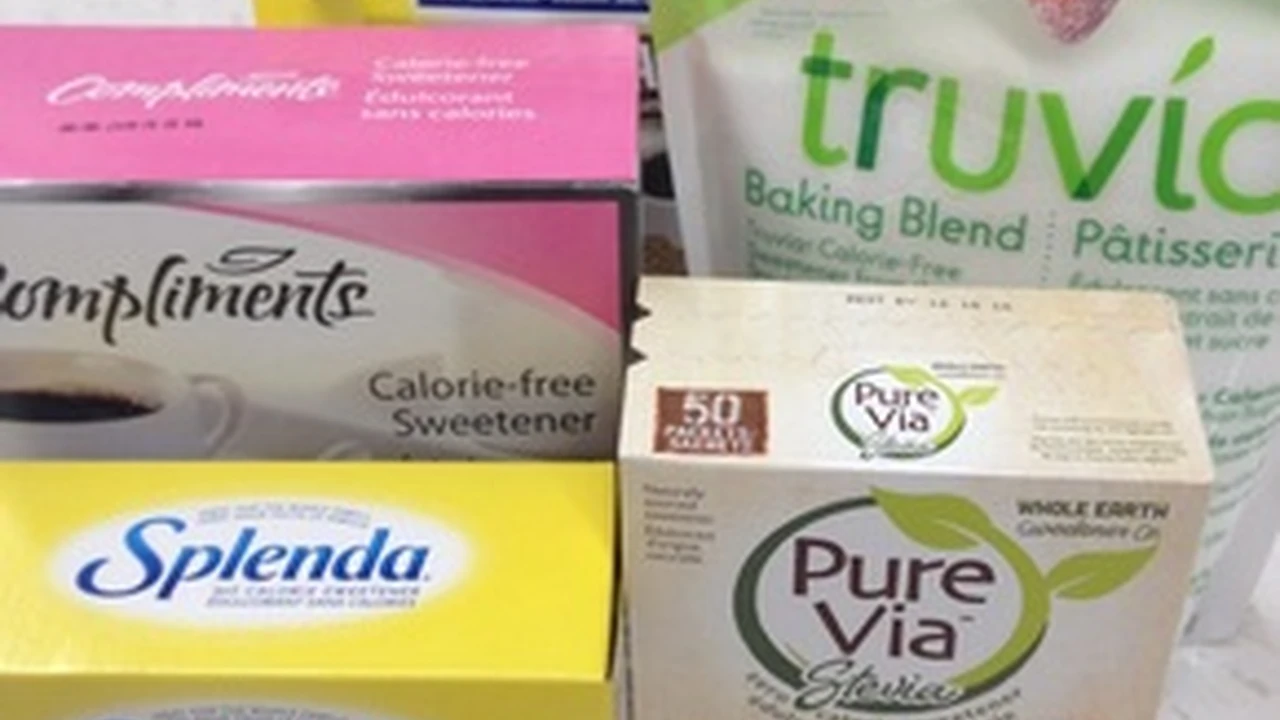
- Sucralose: Widely known as Splenda, it's about 600 times sweeter than sugar and is often used in cooking and baking because it's heat-stable.
- Neotame: A newer one, incredibly potent at 7,000-13,000 times sweeter than sugar.
- Acesulfame Potassium (Ace-K): Often combined with other sweeteners, it's 200 times sweeter than sugar and is heat-stable.
Natural Sweeteners and Sugar Alcohols Healthier Alternatives
Then we have natural sweeteners, which can be a bit of a mixed bag. Some are derived from plants, while others are sugar alcohols. They generally have fewer calories than sugar and a lower impact on blood sugar levels. Popular examples include:
- Stevia: Derived from the stevia plant, it's 200-400 times sweeter than sugar and has zero calories. Brands like Truvia and PureVia use stevia extract.
- Monk Fruit: Extracted from monk fruit, it's 150-250 times sweeter than sugar and also calorie-free. Lakanto is a popular brand.
- Erythritol: A sugar alcohol found naturally in some fruits. It has very few calories and doesn't raise blood sugar. It's about 70% as sweet as sugar.
- Xylitol: Another sugar alcohol, similar in sweetness to sugar but with fewer calories. Often found in sugar-free gum and toothpaste.
- Yacon Syrup: A natural sweetener from the yacon plant, it has a lower glycemic index than sugar.
The Safety Debate Are Sugar Substitutes Really Safe
This is where things get interesting, and often, a little confusing. For decades, regulatory bodies like the U.S. Food and Drug Administration (FDA) and the European Food Safety Authority (EFSA) have deemed approved sugar substitutes safe for consumption within acceptable daily intake (ADI) levels. However, the scientific community continues to research their long-term effects, and public opinion remains divided.
Concerns with Artificial Sweeteners Potential Health Risks
While generally recognized as safe (GRAS) by regulatory bodies, some studies and anecdotal reports have raised concerns about artificial sweeteners. Here are some of the main points of contention:
Gut Microbiome Disruption Impact on Digestive Health
One of the most significant areas of research is the impact of artificial sweeteners on our gut microbiome – the trillions of bacteria living in our intestines. Some studies suggest that certain artificial sweeteners, like sucralose and saccharin, might alter the composition and function of gut bacteria. This disruption could potentially lead to glucose intolerance, inflammation, and other metabolic issues. For example, a study published in Nature in 2014 showed that saccharin consumption in mice led to glucose intolerance by altering gut microbiota. While human studies are ongoing and results are mixed, it's a compelling area of concern.
Weight Gain Paradox Do They Make You Gain Weight
It seems counterintuitive, right? You switch to 'diet' drinks to lose weight, but some research suggests artificial sweeteners might actually contribute to weight gain. How? Several theories exist:
- Sweetness Perception: Artificial sweeteners are much sweeter than sugar. Regularly consuming intensely sweet foods might desensitize your palate, making naturally sweet foods less appealing and potentially increasing cravings for more sweet, calorie-dense options.
- Metabolic Confusion: Your body expects calories when it tastes something sweet. When it doesn't get them, it might lead to metabolic confusion, potentially affecting insulin response and appetite regulation.
- Appetite Stimulation: Some studies suggest that artificial sweeteners might stimulate appetite, leading you to eat more later.
Cancer Risk Debunking the Myths
The fear of artificial sweeteners causing cancer dates back to early studies on saccharin in rats in the 1970s. However, extensive research and reviews by major health organizations, including the National Cancer Institute and the American Cancer Society, have concluded that there is no clear evidence linking FDA-approved artificial sweeteners to cancer in humans when consumed within ADI levels. The initial rat studies used extremely high doses that are not comparable to human consumption.
Other Potential Side Effects Headaches and Digestive Issues
Some individuals report experiencing side effects like headaches, migraines, and digestive upset (bloating, gas, diarrhea) after consuming artificial sweeteners. Aspartame, in particular, has been linked to headaches in sensitive individuals. While these reactions are not universal, they are worth noting if you experience them.
Benefits of Sugar Substitutes Managing Diabetes and Dental Health
It's not all doom and gloom! Sugar substitutes do offer some clear advantages, especially for specific populations:
Diabetes Management Blood Sugar Control
For individuals with diabetes, sugar substitutes can be a game-changer. Since most artificial sweeteners and some natural alternatives (like stevia and monk fruit) do not raise blood sugar levels, they allow people with diabetes to enjoy sweet foods and beverages without impacting their glycemic control. This can significantly improve quality of life and adherence to dietary recommendations.
Dental Health Preventing Cavities
Unlike sugar, which feeds oral bacteria and leads to tooth decay, sugar substitutes are not fermentable by these bacteria. This means they don't contribute to cavities, making them a dental-friendly option. Xylitol, in particular, has been shown to have additional benefits for oral health by inhibiting the growth of cavity-causing bacteria.
Weight Management Calorie Reduction
For those looking to reduce their calorie intake, swapping sugary drinks and foods for their sugar-free counterparts can certainly help. By providing sweetness without the calories, sugar substitutes can be a useful tool in a weight management strategy, especially when used in moderation and as part of an overall healthy diet.
Natural Sweeteners and Sugar Alcohols A Closer Look
Let's shift our focus to the 'natural' side of the spectrum. While often perceived as healthier, it's important to understand their nuances too.
Stevia and Monk Fruit Zero Calorie Plant Based Sweeteners
Stevia and monk fruit are currently the darlings of the natural sweetener world. They are both derived from plants, are calorie-free, and do not raise blood sugar. They are generally considered safe and are gaining popularity as alternatives to artificial sweeteners. However, some people find that stevia can have a slightly bitter aftertaste, especially in higher concentrations.
Sugar Alcohols Erythritol and Xylitol Digestive Considerations
Sugar alcohols like erythritol, xylitol, sorbitol, and maltitol are found naturally in some fruits and vegetables. They are partially absorbed by the body, meaning they provide fewer calories than sugar and have a lower impact on blood sugar. Erythritol is particularly well-tolerated because most of it is absorbed in the small intestine and excreted in urine, minimizing digestive upset. Xylitol is also a good option, especially for dental health.
However, consuming large amounts of sugar alcohols, especially sorbitol and maltitol, can lead to digestive issues like bloating, gas, and diarrhea because they are not fully absorbed and can ferment in the large intestine. This is why you often see a warning on products containing them: 'Excessive consumption may produce laxative effects.'
Product Recommendations and Comparisons Making Informed Choices
Alright, so with all this information, how do you choose? Let's look at some specific products and scenarios to help you make informed decisions.
Best for Baking and Cooking Heat Stable Options
When it comes to baking and cooking, heat stability is key. You don't want your sweetener to break down and lose its sweetness at high temperatures.
- Sucralose (Splenda): This is a popular choice for baking because it's very heat-stable. It measures cup-for-cup like sugar in many formulations, making it easy to substitute.
- Erythritol (Swerve, Lakanto Monkfruit Sweetener): Erythritol is also heat-stable and works well in baking. Brands like Swerve often blend erythritol with other natural flavors to mimic sugar's taste and texture. Lakanto's Monkfruit Sweetener is a blend of monk fruit extract and erythritol, offering a great sugar-like taste without the calories.
- Stevia Blends (Truvia, PureVia): While pure stevia can have an aftertaste, many stevia blends combine it with erythritol or other ingredients to improve its baking performance and taste.
Product Comparison for Baking
Let's compare a few popular baking-friendly options:
| Product | Main Ingredients | Sweetness Ratio (vs Sugar) | Heat Stability | Taste Profile | Typical Price (per 1lb/450g) | Use Case |
|---|---|---|---|---|---|---|
| Splenda Granulated (Sucralose) | Sucralose, Maltodextrin | 1:1 (cup for cup) | Excellent | Very similar to sugar, no aftertaste for most | $7 - $10 | General baking, coffee, tea |
| Swerve Granulated (Erythritol Blend) | Erythritol, Oligosaccharides, Natural Flavors | 1:1 (cup for cup) | Excellent | Clean, sugar-like taste, can have a slight cooling sensation | $10 - $15 | Keto baking, general baking, desserts |
| Lakanto Monkfruit Sweetener (Classic) | Erythritol, Monk Fruit Extract | 1:1 (cup for cup) | Excellent | Very close to sugar, no aftertaste | $12 - $18 | Keto baking, general baking, coffee, tea |
| Truvia Sweet Complete (Stevia Blend) | Erythritol, Stevia Leaf Extract, Chicory Root Fiber | 1:1 (cup for cup) | Good | Sweet, some detect a slight stevia aftertaste | $8 - $12 | General baking, recipes where a slight aftertaste is acceptable |
Best for Beverages Coffee Tea and Smoothies
For your daily cup of coffee, tea, or a refreshing smoothie, you want something that dissolves easily and doesn't leave a weird residue or aftertaste.
- Stevia Drops/Powder: Pure stevia extract (liquid drops or powder) is highly concentrated, so a tiny amount goes a long way. It dissolves instantly.
- Monk Fruit Drops/Powder: Similar to stevia, monk fruit extract is excellent for beverages. Many find its taste profile to be cleaner than stevia.
- Erythritol: While it can be used, it might not dissolve as quickly as liquid drops or finely powdered extracts, especially in cold beverages.
- Aspartame (Equal) or Sucralose (Splenda) Packets: These are classic choices for individual servings of coffee or tea due to their convenience and quick dissolution.
Product Comparison for Beverages
| Product | Main Ingredients | Sweetness Ratio (vs Sugar) | Dissolvability | Taste Profile | Typical Price (per 100 packets/liquid equivalent) | Use Case |
|---|---|---|---|---|---|---|
| Stevia Liquid Drops (e.g., SweetLeaf) | Stevia Leaf Extract, Purified Water | Highly concentrated (few drops = 1 tsp sugar) | Excellent (instant) | Clean, can have a slight aftertaste for some | $8 - $15 | Coffee, tea, smoothies, yogurt |
| Monk Fruit Liquid Drops (e.g., NOW Foods) | Monk Fruit Extract, Vegetable Glycerin | Highly concentrated | Excellent (instant) | Very clean, no aftertaste for most | $10 - $18 | Coffee, tea, smoothies, cocktails |
| Splenda Packets (Sucralose) | Sucralose, Dextrose, Maltodextrin | 1 packet = 2 tsp sugar | Good | Sweet, very sugar-like | $5 - $8 | Coffee, tea, on-the-go sweetness |
| Equal Packets (Aspartame) | Aspartame, Dextrose, Maltodextrin | 1 packet = 2 tsp sugar | Good | Sweet, clean taste | $4 - $7 | Coffee, tea, on-the-go sweetness |
Best for General Use and Tabletop Sweeteners Everyday Options
For sprinkling on cereal, yogurt, or just having on hand for general sweetening needs, convenience and a good taste profile are important.
- Erythritol (Granulated): Brands like NOW Foods Erythritol or Anthony's Organic Erythritol are great for general use. They have a mild sweetness and are well-tolerated.
- Monk Fruit/Erythritol Blends (Lakanto, Whole Earth): These blends offer a very sugar-like experience without the calories, making them excellent for tabletop use.
- Stevia/Erythritol Blends (Truvia, Pyure): Similar to monk fruit blends, these provide a good balance of sweetness and taste.
Product Comparison for General Use
| Product | Main Ingredients | Sweetness Ratio (vs Sugar) | Texture | Taste Profile | Typical Price (per 1lb/450g) | Use Case |
|---|---|---|---|---|---|---|
| NOW Foods Erythritol | Erythritol | 0.7:1 (less sweet than sugar) | Granulated | Clean, mild sweetness, slight cooling effect | $8 - $12 | Sprinkling, general sweetening, low-carb diets |
| Lakanto Monkfruit Sweetener (Classic) | Erythritol, Monk Fruit Extract | 1:1 (cup for cup) | Granulated | Very close to sugar, no aftertaste | $12 - $18 | Tabletop, general sweetening, keto-friendly |
| Pyure Organic Stevia Blend | Erythritol, Stevia Leaf Extract | 1:1 (cup for cup) | Granulated | Sweet, some detect a slight stevia aftertaste | $9 - $14 | Tabletop, general sweetening, organic option |
Making the Best Choice for You Personal Health and Preferences
So, what's the verdict? Are sugar substitutes safe? The most accurate answer is: it depends. For most healthy individuals, consuming FDA-approved sugar substitutes in moderation and within ADI levels is generally considered safe. They can be a helpful tool for reducing sugar intake, managing weight, and controlling blood sugar for diabetics.
Moderation is Key Balanced Consumption
Just like with anything else, moderation is key. Relying heavily on sugar substitutes might not be the best long-term strategy. It's always a good idea to try and reduce your overall desire for intense sweetness, whether from sugar or substitutes. Focus on whole, unprocessed foods, and let your palate adjust to naturally less sweet flavors.
Listen to Your Body Individual Reactions
Everyone's body is different. If you notice any adverse reactions like digestive upset, headaches, or other symptoms after consuming a particular sugar substitute, it's wise to reduce your intake or try an alternative. Pay attention to how you feel and adjust accordingly.
Consult a Professional Expert Guidance
If you have specific health concerns, such as diabetes, irritable bowel syndrome (IBS), or are pregnant or breastfeeding, it's always best to consult with a healthcare professional or a registered dietitian. They can provide personalized advice based on your individual health needs and dietary requirements.
Ultimately, sugar substitutes can be a valuable tool in your health and wellness journey, especially if you're trying to cut down on added sugars. Just remember to approach them with an informed perspective, prioritize whole foods, and listen to what your body tells you. Stay sweet, but stay smart!
:max_bytes(150000):strip_icc()/277019-baked-pork-chops-with-cream-of-mushroom-soup-DDMFS-beauty-4x3-BG-7505-5762b731cf30447d9cbbbbbf387beafa.jpg)