How to Choose the Right Running Shoes for Your Foot Type
Choose the right running shoes. Learn how to select footwear based on your foot type for comfort and injury prevention.
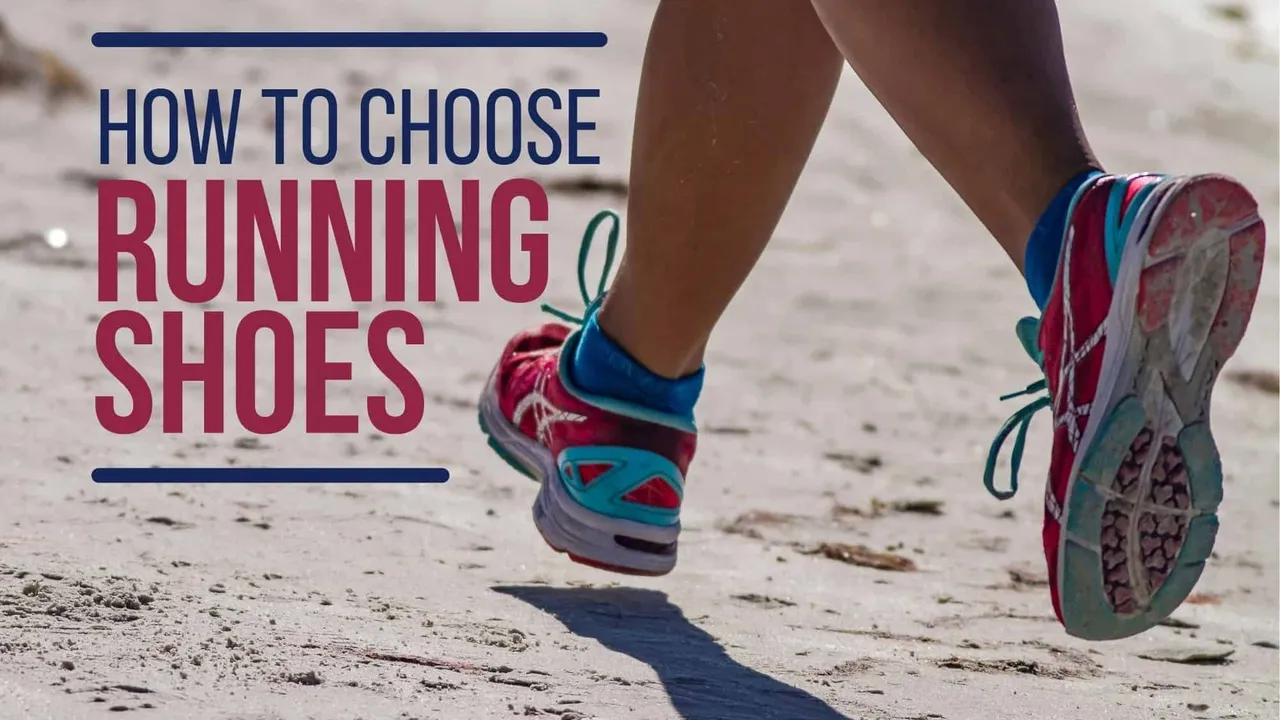
Choose the right running shoes. Learn how to select footwear based on your foot type for comfort and injury prevention.
How to Choose the Right Running Shoes for Your Foot Type
Hey there, fellow runners! Whether you're a seasoned marathoner or just lacing up for your first 5K, one of the most crucial pieces of gear you'll ever invest in is a good pair of running shoes. It's not just about looking cool or matching your outfit; the right shoes can make all the difference in your comfort, performance, and most importantly, preventing injuries. Think about it: your feet are taking a pounding with every stride, absorbing forces equivalent to several times your body weight. So, giving them the proper support and cushioning is non-negotiable. But with so many brands, models, and technologies out there, how do you even begin to choose? It can feel like a maze! Don't sweat it, though. This comprehensive guide is here to demystify the process and help you find your perfect running shoe match, specifically tailored to your unique foot type.
Understanding Your Foot Type The Foundation of Shoe Selection
Before we dive into specific shoe recommendations, the absolute first step is to understand your own feet. Just like fingerprints, no two feet are exactly alike, and what works wonders for your running buddy might be a disaster for you. The primary factor we're looking at here is your arch type and how your foot rolls inward during your stride, a movement known as pronation. This isn't a bad thing; pronation is a natural shock-absorbing mechanism. However, problems arise when you overpronate (roll in too much) or supinate (roll in too little).
The Wet Test and Gait Analysis Identifying Your Arch and Pronation
There are a couple of easy ways to get a good idea of your foot type:
- The Wet Test: This is a classic for a reason. Wet your foot and step onto a piece of dark paper or a cardboard box. Step off and observe the imprint.
- Normal Arch: You'll see a clear imprint of your heel and forefoot, with a noticeable curve on the inside. There's a band connecting the heel and forefoot, but it's not overly wide.
- Flat Arch (Low Arch): Your imprint will show almost your entire foot, with very little to no curve on the inside. This often indicates overpronation.
- High Arch: You'll see a very thin band connecting your heel and forefoot, or sometimes even a disconnected imprint. This often indicates supination (underpronation).
- Gait Analysis: This is the gold standard and something you can often get done at a specialized running shoe store. An expert will watch you run, either on a treadmill or outdoors, and analyze how your foot strikes the ground, how it rolls, and how it pushes off. They might even record you to show you in slow motion. This provides the most accurate assessment of your pronation type.
Matching Shoes to Your Pronation Type Running Shoe Categories
Once you know your pronation type, you can narrow down the vast selection of running shoes into three main categories:
Neutral Shoes For Normal Arches and Supinators
If you have a normal arch and exhibit neutral pronation (your foot rolls inward just enough to absorb shock effectively), or if you supinate (your foot rolls outward, putting pressure on the outer edge), neutral shoes are your go-to. These shoes prioritize cushioning and flexibility, allowing your foot's natural movement without interference. They typically have less support on the arch side, as your foot doesn't need extra help controlling its inward roll.
Key Features of Neutral Running Shoes
- Cushioning: Often feature ample cushioning throughout the midsole to absorb impact.
- Flexibility: Designed to be flexible, allowing for natural foot movement.
- No Motion Control Elements: Lack aggressive stability features that would interfere with a neutral stride.
Recommended Neutral Running Shoes for Various Scenarios
Here are some top picks for neutral runners, considering different preferences and budgets:
- Hoka Clifton 9:
- Description: Known for its maximalist cushioning, the Clifton offers an incredibly plush and smooth ride. It's a workhorse for daily training and long runs, providing excellent shock absorption without feeling overly soft.
- Ideal For: Runners seeking maximum cushioning for daily miles, long distances, and recovery runs. Great for those who prioritize comfort above all else.
- Price Range: $145 - $160 USD
- Why it's great: The latest iteration continues Hoka's tradition of comfort, with a lighter foam and improved upper. It's surprisingly versatile for a highly cushioned shoe.
- Brooks Ghost 15:
- Description: A perennial favorite, the Ghost is celebrated for its balanced cushioning and smooth transitions. It's a reliable, no-frills daily trainer that performs consistently.
- Ideal For: Everyday training, beginners, and runners who want a dependable, comfortable shoe that isn't too soft or too firm.
- Price Range: $130 - $140 USD
- Why it's great: It strikes a perfect balance between softness and responsiveness, making it a versatile choice for a wide range of runners and paces.
- Saucony Kinvara 14:
- Description: A lighter, more responsive option, the Kinvara is designed for faster paces, tempo runs, and even race day for some. It offers a more connected-to-the-ground feel.
- Ideal For: Runners looking for a lightweight, flexible shoe for speed work, tempo runs, and shorter races.
- Price Range: $120 - $130 USD
- Why it's great: It's a fantastic option for those who want to feel fast without sacrificing too much cushioning. The latest version is even lighter.
- New Balance Fresh Foam X 880v13:
- Description: The 880 is New Balance's reliable neutral workhorse, offering a blend of softness and responsiveness. It's built for durability and consistent performance over many miles.
- Ideal For: Daily training, high-mileage runners, and those who appreciate a traditional, well-cushioned ride.
- Price Range: $135 - $145 USD
- Why it's great: It's a solid, dependable option that can handle a lot of mileage. The Fresh Foam X provides a comfortable yet energetic feel.
Stability Shoes For Overpronators
If your wet test showed a flat arch, or a gait analysis revealed overpronation (your foot rolls excessively inward), stability shoes are likely what you need. These shoes incorporate features designed to gently guide your foot back into a more neutral alignment, preventing excessive inward roll. This is typically achieved through a firmer foam or a medial post (a denser wedge of foam) on the arch side of the midsole.
Key Features of Stability Running Shoes
- Medial Post/GuideRails: Firmer foam or plastic inserts on the inner side of the shoe to prevent excessive inward rolling.
- Structured Upper: Often have more structured uppers for added support and a secure fit.
- Moderate Cushioning: While still cushioned, the focus is on providing support, so the cushioning might feel a bit firmer than in neutral shoes.
Recommended Stability Running Shoes for Overpronators
Here are some excellent choices for runners who need a bit more support:
- Brooks Adrenaline GTS 23:
- Description: The Adrenaline GTS is a legendary stability shoe, known for its reliable support provided by Brooks' GuideRails technology. It offers a balanced blend of cushioning and stability, making it a go-to for many overpronators.
- Ideal For: Daily training, long runs, and runners who need moderate stability to control overpronation.
- Price Range: $130 - $140 USD
- Why it's great: The GuideRails system offers holistic support, guiding your body into its natural motion path without feeling overly intrusive. It's a smooth and comfortable ride.
- ASICS GEL-Kayano 29:
- Description: Another iconic stability shoe, the GEL-Kayano has evolved to offer a lighter, more responsive ride while maintaining its signature support. It uses LITETRUSS technology to provide stability.
- Ideal For: Runners seeking premium cushioning alongside reliable stability for daily training and long distances.
- Price Range: $160 - $170 USD
- Why it's great: It's a plush yet supportive option that has been refined over decades. The GEL cushioning provides excellent shock absorption.
- Saucony Guide 16:
- Description: The Guide offers a smooth and supportive experience for overpronators. It uses Saucony's HOLLOW-TECH support system, which is less intrusive than traditional medial posts.
- Ideal For: Daily training, runners who prefer a slightly firmer feel, and those who need moderate stability.
- Price Range: $130 - $140 USD
- Why it's great: It provides effective stability without feeling clunky, offering a responsive ride that can handle various paces.
- Mizuno Wave Inspire 19:
- Description: The Wave Inspire utilizes Mizuno's signature Wave Plate technology to provide both cushioning and stability. It's known for its durable and responsive ride.
- Ideal For: Runners who prefer a firmer, more responsive stability shoe for daily training and higher mileage.
- Price Range: $135 - $145 USD
- Why it's great: The Wave Plate effectively disperses impact while providing a stable platform, making it a reliable choice for consistent performance.
Motion Control Shoes For Severe Overpronators
For runners with severe overpronation or very flat feet, motion control shoes offer the highest level of stability. These shoes are typically heavier and more rigid than standard stability shoes, featuring extensive support structures to severely limit inward rolling. They are less common now as stability shoes have become more sophisticated, but they still have their place for specific needs.
Key Features of Motion Control Running Shoes
- Maximum Support: Very firm medial posts and often a wider base for maximum stability.
- Rigid Construction: Less flexible than other shoe types to control foot movement.
- Durable Outsole: Built to withstand the demands of severe overpronation.
Recommended Motion Control Running Shoes for Severe Overpronation
While the category is shrinking, here are some reliable options:
- Brooks Addiction GTS 15:
- Description: The Addiction GTS is designed for maximum support, offering a very stable platform for severe overpronators. It uses the same GuideRails technology as the Adrenaline but with a more robust application.
- Ideal For: Runners with severe overpronation, very flat feet, or those who require maximum support and a wider fit.
- Price Range: $130 - $140 USD
- Why it's great: It provides uncompromising stability and a comfortable, roomy fit, making it a solid choice for those who need significant motion control.
- Saucony Omni 21:
- Description: The Omni offers a blend of plush cushioning and robust stability, making it a comfortable option for runners needing significant motion control. It features a wider platform and a supportive upper.
- Ideal For: Runners with moderate to severe overpronation who prioritize cushioning alongside strong support.
- Price Range: $140 - $150 USD
- Why it's great: It's a well-cushioned motion control shoe that doesn't feel overly stiff, providing a smooth ride for its category.
Beyond Pronation Other Factors to Consider When Choosing Running Shoes
While pronation type is paramount, it's not the only piece of the puzzle. Several other factors play a significant role in finding your ideal running shoe.
Cushioning Level Your Comfort Preference
Running shoes come with varying degrees of cushioning, from minimalist to maximalist. This largely comes down to personal preference and how much impact absorption you desire.
- Minimalist/Barefoot: Very little cushioning, designed to mimic barefoot running. Not for everyone, and requires a gradual transition.
- Lightly Cushioned: Offers some protection but maintains a good ground feel. Good for speed work or shorter distances.
- Moderately Cushioned: The sweet spot for most daily trainers, offering a balance of comfort and responsiveness.
- Maximalist: Features a thick stack of foam for maximum shock absorption. Excellent for long runs, recovery, and runners who prioritize plush comfort.
Drop Heel to Toe Offset
The 'drop' refers to the difference in height between the heel and the forefoot of the shoe. It's measured in millimeters (mm).
- High Drop (8mm+): Traditional running shoes often have a higher drop, which can feel more comfortable for heel strikers.
- Moderate Drop (4-7mm): A good middle ground, promoting a more natural midfoot strike.
- Low/Zero Drop (0-3mm): Encourages a forefoot or midfoot strike, mimicking barefoot running. Requires adaptation and can strengthen foot muscles, but can also lead to calf/Achilles issues if transitioned too quickly.
Weight of the Shoe Speed vs Durability
Generally, lighter shoes are designed for speed and racing, while heavier shoes offer more cushioning, support, and durability for daily training.
- Lightweight (under 9 oz / 255g): Often used for tempo runs, speed work, and race day. Less cushioning and support.
- Moderate Weight (9-11 oz / 255-310g): The sweet spot for most daily trainers, offering a balance of features.
- Heavier (over 11 oz / 310g): Typically motion control shoes or highly cushioned trainers, prioritizing support and protection.
Outsole Durability and Traction
The outsole is the bottom part of the shoe that contacts the ground. Its design and material impact traction and how long the shoe lasts.
- Road Running: Outsoles are designed for pavement, offering good grip and durability on hard surfaces.
- Trail Running: Feature aggressive lugs for traction on uneven terrain, mud, and rocks.
- Hybrid: Some shoes offer a blend, suitable for light trails and roads.
Upper Material and Fit Breathability and Comfort
The upper of the shoe holds your foot in place. Look for materials that are breathable, comfortable, and provide a secure fit without being too restrictive.
- Mesh: Common for breathability.
- Knit: Offers a sock-like, adaptive fit.
- Engineered Mesh: Combines breathability with targeted support.
Toe Box Width Room for Your Toes
Your toes need room to splay naturally. A cramped toe box can lead to blisters, bunions, and other foot issues. Always ensure there's about a thumb's width of space between your longest toe and the end of the shoe.
When to Replace Your Running Shoes Signs of Wear and Tear
Even the best running shoes don't last forever. Running shoes typically last between 300-500 miles (500-800 kilometers), but this can vary based on your weight, running style, and the surfaces you run on. Here are some signs it's time for a new pair:
- Loss of Cushioning: The midsole feels flat, less bouncy, or you start feeling more impact.
- Visible Wear: The outsole is worn smooth, especially in high-impact areas. The upper might have holes or tears.
- New Aches and Pains: If you start experiencing unusual knee pain, shin splints, or foot discomfort that you didn't have before, worn-out shoes could be the culprit.
- Uneven Wear: If one side of the outsole is significantly more worn than the other, it indicates a change in your gait or that the shoe's support is failing.
Tips for Buying Running Shoes Making the Right Purchase
Armed with all this knowledge, here are some practical tips for when you're ready to buy:
- Shop at a Specialty Running Store: This is highly recommended. The staff are usually runners themselves and can provide expert advice, including gait analysis.
- Go in the Afternoon: Your feet swell throughout the day, so trying on shoes later in the day ensures a comfortable fit when your feet are at their largest.
- Wear Your Running Socks: Bring the type of socks you typically run in to get the most accurate fit.
- Try On Several Pairs: Don't settle for the first pair. Walk and jog around the store (or on a treadmill if available) to see how different shoes feel.
- Don't Go by Brand Loyalty Alone: While you might have a favorite brand, new models and technologies emerge constantly. Be open to trying different brands and models.
- Prioritize Comfort: Ultimately, the most important factor is how the shoe feels on your foot. If it's not comfortable in the store, it won't be comfortable on a 10-mile run.
- Consider Your Running Terrain: Are you primarily on roads, trails, or a mix? Choose shoes designed for your typical running environment.
- Don't Break the Bank Unnecessarily: While quality shoes are an investment, the most expensive pair isn't always the best for you. Find a shoe that fits your needs and budget.
Common Running Shoe Myths Debunked Separating Fact from Fiction
There's a lot of misinformation out there about running shoes. Let's clear up a few common myths:
- Myth: You need to 'break in' running shoes.
Fact: Modern running shoes should feel comfortable from the moment you put them on. If they require a significant break-in period, they might not be the right fit for you.
- Myth: More cushioning always means better.
Fact: While cushioning is important, too much can sometimes reduce ground feel and responsiveness. The optimal amount of cushioning is subjective and depends on your preferences and running style.
- Myth: Stability shoes are only for people with flat feet.
Fact: Stability shoes are for anyone who overpronates, regardless of their arch height. Some people with normal arches can still overpronate, and some with flat feet might not overpronate significantly.
- Myth: Running shoes should be tight for support.
Fact: Running shoes should be snug in the heel and midfoot, but your toes need room to wiggle and splay. A tight shoe can lead to discomfort and foot issues.
- Myth: You need a different shoe for every type of run.
Fact: While some advanced runners might have a rotation of shoes (e.g., daily trainer, speed shoe, race shoe), most runners can get by with one good pair of versatile daily trainers. Focus on finding one pair that works well for the majority of your runs.
The Importance of Proper Fit and Injury Prevention Your Health Matters
Choosing the right running shoes isn't just about comfort; it's a critical component of injury prevention. Ill-fitting or inappropriate shoes can contribute to a host of common running injuries, including:
- Plantar Fasciitis: Pain in the arch or heel of the foot.
- Shin Splints: Pain along the shin bone.
- Runner's Knee (Patellofemoral Pain Syndrome): Pain around the kneecap.
- Achilles Tendinitis: Inflammation of the Achilles tendon.
- Stress Fractures: Tiny cracks in the bone, often in the feet or lower legs.
By taking the time to understand your foot type and selecting shoes that provide the appropriate support and cushioning, you significantly reduce your risk of these debilitating injuries. Remember, your feet are your foundation, and taking care of them is paramount to enjoying a long and healthy running journey.
So, there you have it! A deep dive into the world of running shoes and how to pick the perfect pair for your unique feet. Don't rush the process, and don't be afraid to ask for help at a specialty store. Happy running, and may your miles be comfortable and injury-free!
:max_bytes(150000):strip_icc()/277019-baked-pork-chops-with-cream-of-mushroom-soup-DDMFS-beauty-4x3-BG-7505-5762b731cf30447d9cbbbbbf387beafa.jpg)