The Importance of Gut Microbiome for Healthy Aging
Understand the importance of gut microbiome for healthy aging. Support your gut for a longer, healthier life.
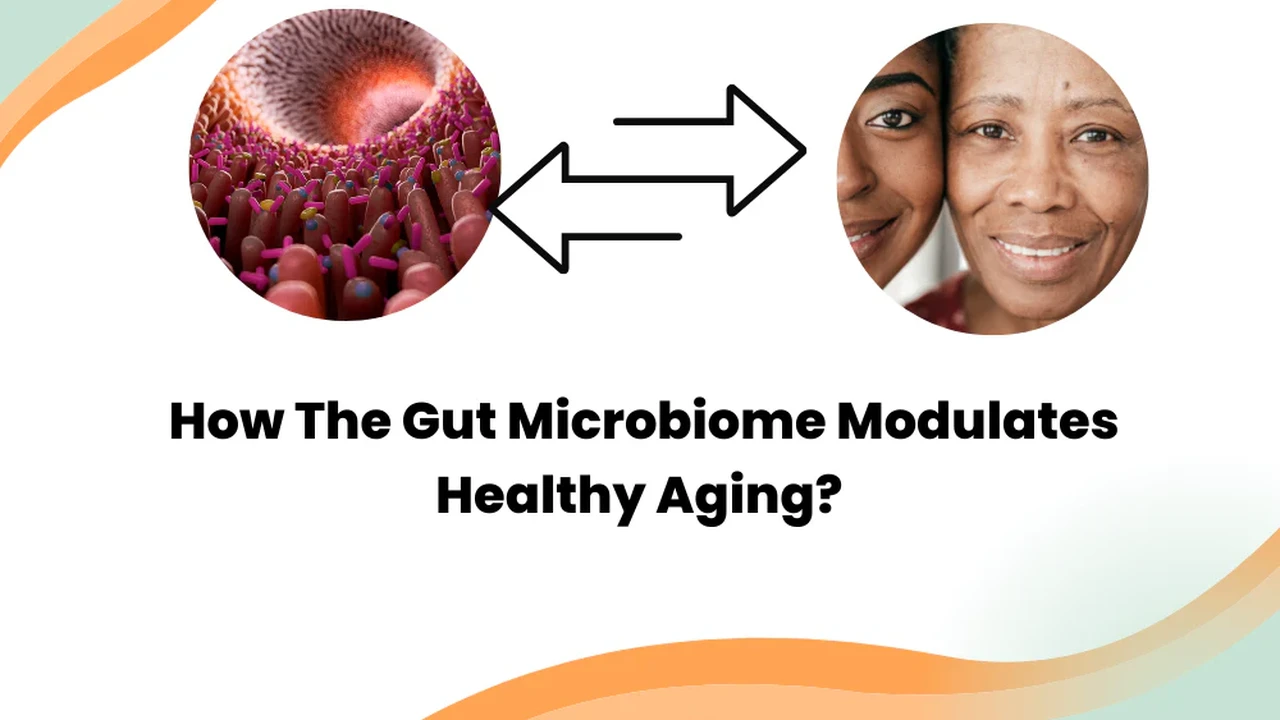
Understand the importance of gut microbiome for healthy aging. Support your gut for a longer, healthier life.
The Importance of Gut Microbiome for Healthy Aging
Hey there! Ever wondered what’s really going on inside your belly? We’re not just talking about that rumbling when you’re hungry. We’re diving deep into the fascinating world of your gut microbiome – that bustling community of trillions of microorganisms living in your digestive tract. And guess what? This tiny ecosystem plays a massive role in how well you age, influencing everything from your energy levels to your skin’s glow. Let’s explore why supporting your gut is key to a longer, healthier life.
What is the Gut Microbiome and Why Does it Matter for Longevity
So, what exactly is this 'gut microbiome' everyone's talking about? Simply put, it's the collection of all the bacteria, viruses, fungi, and other microscopic organisms that call your intestines home. Think of it as a bustling city, with different residents performing various jobs. Some are good guys, helping you digest food, produce vitamins, and fight off bad bacteria. Others, if they get out of hand, can cause trouble. The balance between these good and bad microbes is crucial, especially as we get older.
For longevity, a diverse and balanced gut microbiome is like having a super-powered defense system. It helps reduce inflammation, which is a major driver of aging and age-related diseases like heart disease, diabetes, and even some cancers. A healthy gut also supports a strong immune system, keeping you resilient against infections. Plus, it influences your metabolism, helping your body efficiently use energy and maintain a healthy weight, which are both vital for a long, active life.
How Gut Health Changes with Age Understanding the Aging Gut
Unfortunately, just like everything else, our gut microbiome changes as we age. Studies show that older adults often have less diversity in their gut bacteria compared to younger individuals. This reduction in diversity can lead to an increase in pro-inflammatory bacteria and a decrease in beneficial ones. This shift can contribute to what scientists call 'inflammaging' – chronic low-grade inflammation that accelerates the aging process and increases susceptibility to various health issues.
Factors contributing to these age-related changes include dietary shifts (often less fiber and more processed foods), reduced physical activity, medication use, and even changes in stomach acid production. Understanding these changes is the first step to actively working to maintain a youthful and robust gut environment, no matter your age.
The Gut Brain Axis and Cognitive Health in Later Life
Did you know your gut and brain are constantly chatting? This two-way communication system is called the gut-brain axis. A healthy gut microbiome produces neurotransmitters like serotonin (the 'feel-good' hormone) and influences brain function, mood, and even cognitive abilities. As we age, maintaining this connection becomes even more critical for cognitive health.
An imbalanced gut can contribute to neuroinflammation, which has been linked to cognitive decline and neurodegenerative diseases like Alzheimer's and Parkinson's. By nurturing your gut, you're essentially giving your brain a powerful boost, helping to preserve memory, focus, and overall mental sharpness as you get older. It's like giving your brain a personal trainer and a healthy diet, all through your gut!
Dietary Strategies for a Youthful Gut Fiber Prebiotics and Probiotics
So, how do we keep our gut happy and healthy for the long haul? It largely comes down to what you eat. Think of your gut microbes as tiny gardeners, and your food as the soil and water they need to thrive. Here are some key dietary strategies:
Fiber Rich Foods for Gut Diversity and Regularity
Fiber is your gut's best friend. It acts as a prebiotic, feeding the beneficial bacteria in your gut. Aim for a wide variety of plant-based foods. Think fruits, vegetables, whole grains, legumes, nuts, and seeds. The more diverse your plant intake, the more diverse your gut microbiome will be. Try to 'eat the rainbow' every day!
Prebiotic Foods Fueling Your Good Bacteria
Beyond general fiber, specific prebiotic foods are particularly good at nourishing beneficial gut bacteria. These include garlic, onions, leeks, asparagus, bananas, oats, and apples. Incorporating these into your daily meals can significantly boost your gut health.
Probiotic Rich Foods Fermented Delights for Gut Health
Probiotic foods contain live beneficial bacteria that can directly replenish your gut. Fermented foods are excellent sources. Consider adding:
- Yogurt and Kefir: Look for varieties with 'live and active cultures' and minimal added sugar.
- Sauerkraut and Kimchi: These fermented vegetables are packed with probiotics and flavor.
- Tempeh and Miso: Fermented soy products that are great for plant-based diets.
- Kombucha: A fermented tea that's a refreshing way to get probiotics.
Lifestyle Factors Beyond Diet Exercise Sleep and Stress Management
While diet is paramount, it's not the only player in the gut health game. Your lifestyle choices also have a profound impact:
Regular Exercise Boosting Gut Microbiome Diversity
Getting your body moving isn't just good for your muscles and heart; it's great for your gut too! Studies suggest that regular physical activity can increase the diversity of your gut microbiome and promote the growth of beneficial bacteria. Aim for at least 150 minutes of moderate-intensity exercise per week.
Quality Sleep The Gut's Rest and Repair Cycle
Lack of sleep can throw your gut microbiome out of whack. When you don't get enough shut-eye, it can increase inflammation and negatively impact gut diversity. Prioritize 7-9 hours of quality sleep each night to give your gut the rest and repair time it needs.
Stress Management Techniques for a Calm Gut
Stress is a major gut disruptor. Chronic stress can alter gut motility, increase gut permeability (leaky gut), and shift the balance of your microbiome. Incorporate stress-reducing practices into your daily routine, such as meditation, deep breathing exercises, yoga, or spending time in nature.
Probiotic and Prebiotic Supplements When and Which to Choose
While a whole-food diet is the best foundation, supplements can sometimes offer an extra boost, especially if your diet is lacking or you're recovering from an illness (like after antibiotics). But with so many options, how do you choose?
Understanding Probiotic Supplements Strains and CFUs
When looking at probiotic supplements, you'll often see terms like 'strains' and 'CFUs' (Colony Forming Units). Different strains of bacteria have different benefits. For general gut health and aging, look for supplements with a variety of strains, including Lactobacillus and Bifidobacterium species. CFUs indicate the number of live bacteria per dose; generally, higher CFUs (billions) are better, but quality and strain diversity are more important than just a high number.
Recommended Probiotic Products for Healthy Aging
Here are a few well-regarded probiotic brands and products, keeping in mind that individual results can vary. Always consult with a healthcare professional before starting any new supplement regimen, especially if you have underlying health conditions.
1. Garden of Life Dr Formulated Probiotics Once Daily Ultra
- Key Features: This product boasts 90 billion CFUs from 15 diverse probiotic strains, including a significant amount of Bifidobacterium, which is often reduced in older adults. It's also shelf-stable, meaning no refrigeration needed, and non-GMO, gluten-free, and dairy-free.
- Use Case: Excellent for daily maintenance, supporting digestive and immune health, and promoting gut diversity, particularly beneficial for those looking to counteract age-related gut changes.
- Comparison: Higher CFU count and broader strain diversity than many basic probiotics, making it a robust option for comprehensive gut support.
- Estimated Price: $30-$45 for a 30-day supply.
2. Culturelle Digestive Daily Probiotic Capsules
- Key Features: Contains 10 billion CFUs of Lactobacillus rhamnosus GG, one of the most clinically studied probiotic strains. It's known for its ability to survive stomach acid and bile, ensuring it reaches the intestines effectively. Also dairy-free and gluten-free.
- Use Case: Ideal for those seeking targeted support for digestive balance, occasional digestive upset, and immune health. A good entry-level option for consistent daily use.
- Comparison: While it has fewer strains than Garden of Life, the strength lies in the high concentration and proven efficacy of the single LGG strain. Often more budget-friendly.
- Estimated Price: $20-$30 for a 30-day supply.
3. Seed DS-01 Daily Synbiotic
- Key Features: This is a 'synbiotic,' meaning it combines both probiotics (24 clinically studied strains, 53.6 billion AFUs - Active Fluorescent Units, a more precise measure than CFUs) and prebiotics (from Indian pomegranate and Scandinavian chaga mushroom). It uses a unique 2-in-1 capsule delivery system to protect the probiotics from stomach acid.
- Use Case: For those looking for a premium, comprehensive approach to gut health, targeting not just digestion but also skin health, cardiovascular health, and micronutrient synthesis.
- Comparison: A more advanced and scientifically backed product, offering both probiotic and prebiotic benefits in one. The delivery system is a significant differentiator.
- Estimated Price: $50-$60 for a 30-day supply (subscription model often available).
Prebiotic Supplements Nourishing Your Gut Garden
Prebiotic supplements provide the fiber that feeds your beneficial gut bacteria. They can be particularly useful if your dietary fiber intake is consistently low.
1. NOW Foods Inulin Prebiotic FOS Powder
- Key Features: A simple, pure inulin powder derived from chicory root. Inulin is a well-known prebiotic fiber that selectively feeds beneficial bacteria like Bifidobacterium. It's unflavored and dissolves easily in liquids.
- Use Case: Great for gradually increasing prebiotic fiber intake, supporting digestive health, and promoting a healthy gut flora. Can be added to smoothies, yogurt, or water.
- Comparison: A straightforward and cost-effective prebiotic option. Less complex than a synbiotic but effective for its purpose.
- Estimated Price: $10-$15 for a large container (many servings).
2. Physician's Choice Prebiotic Fiber Supplement
- Key Features: Combines organic Jerusalem artichoke, organic acacia fiber, and organic green banana flour. This blend offers a diverse range of prebiotic fibers to support a broader spectrum of beneficial gut bacteria.
- Use Case: For those who want a more diverse prebiotic source than just inulin, aiming for comprehensive gut flora support. Also good for promoting regularity.
- Comparison: Offers a blend of different fibers, which can be beneficial for feeding a wider variety of gut microbes compared to a single-source prebiotic.
- Estimated Price: $20-$30 for a 30-day supply.
Remember, supplements are meant to supplement a healthy diet and lifestyle, not replace them. Always start with a small dose and gradually increase to assess tolerance, as some people may experience gas or bloating when first introducing prebiotics.
Future of Gut Health Research Personalized Approaches to Longevity
The field of gut microbiome research is exploding, and the future looks incredibly exciting. Scientists are increasingly looking into personalized approaches to gut health. This means understanding your unique microbiome composition and tailoring dietary and lifestyle recommendations specifically for you. Imagine a future where a simple gut test could tell you exactly which foods and supplements would best support your longevity!
We're also seeing advancements in areas like fecal microbiota transplantation (FMT) for certain conditions, and the development of 'postbiotics' – beneficial compounds produced by gut bacteria. These innovations promise even more targeted ways to optimize our gut health for a longer, healthier life. It's a dynamic field, and staying informed will be key to harnessing its potential.
Embracing a Gut Friendly Lifestyle for a Longer Healthier Life
Ultimately, taking care of your gut is one of the most powerful things you can do for your overall health and longevity. It's not just about avoiding discomfort; it's about building a strong foundation for a vibrant, energetic, and disease-resistant life as you age. By focusing on a diverse, plant-rich diet, managing stress, getting enough sleep, and staying active, you're giving your gut microbiome the best chance to thrive. And when your gut thrives, you thrive. So, go ahead, nourish your inner ecosystem – your future self will thank you for it!
:max_bytes(150000):strip_icc()/277019-baked-pork-chops-with-cream-of-mushroom-soup-DDMFS-beauty-4x3-BG-7505-5762b731cf30447d9cbbbbbf387beafa.jpg)