Mindfulness for Beginners A Step by Step Guide
Start mindfulness for beginners. A step-by-step guide to incorporating mindful practices into your daily life.
Start mindfulness for beginners. A step-by-step guide to incorporating mindful practices into your daily life.
Mindfulness for Beginners A Step by Step Guide
What is Mindfulness Anyway Understanding the Core Concept
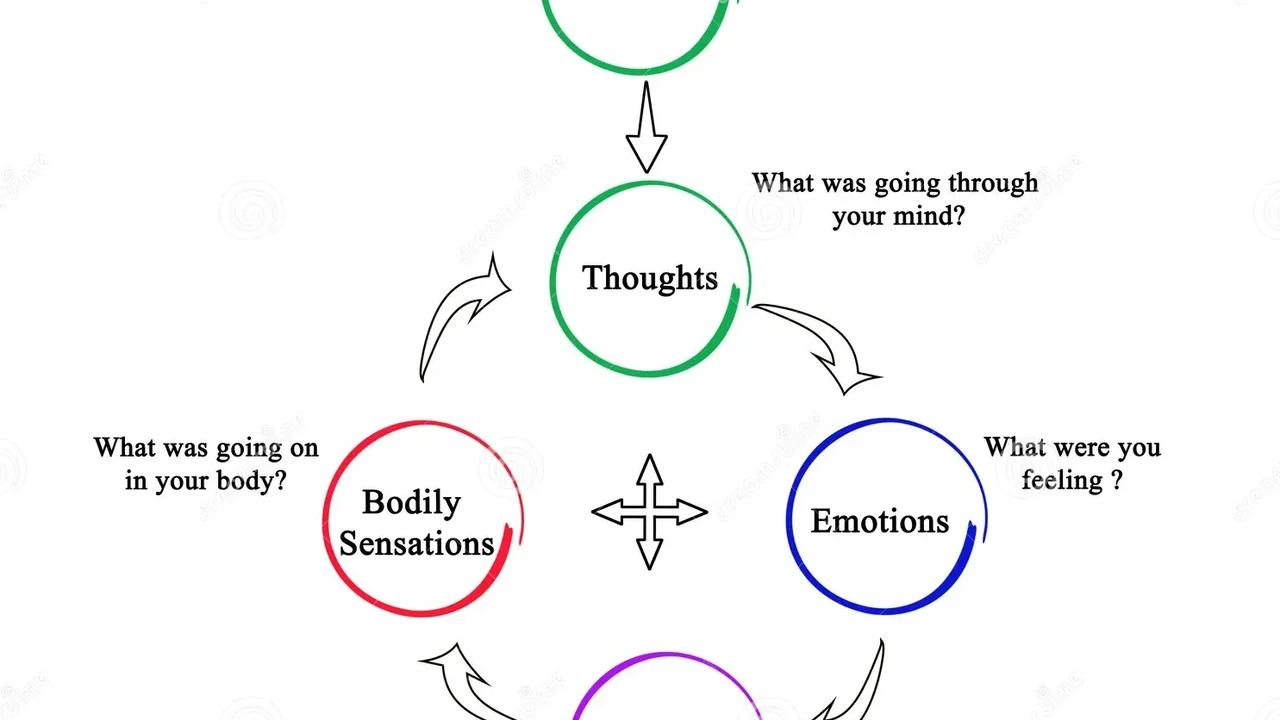
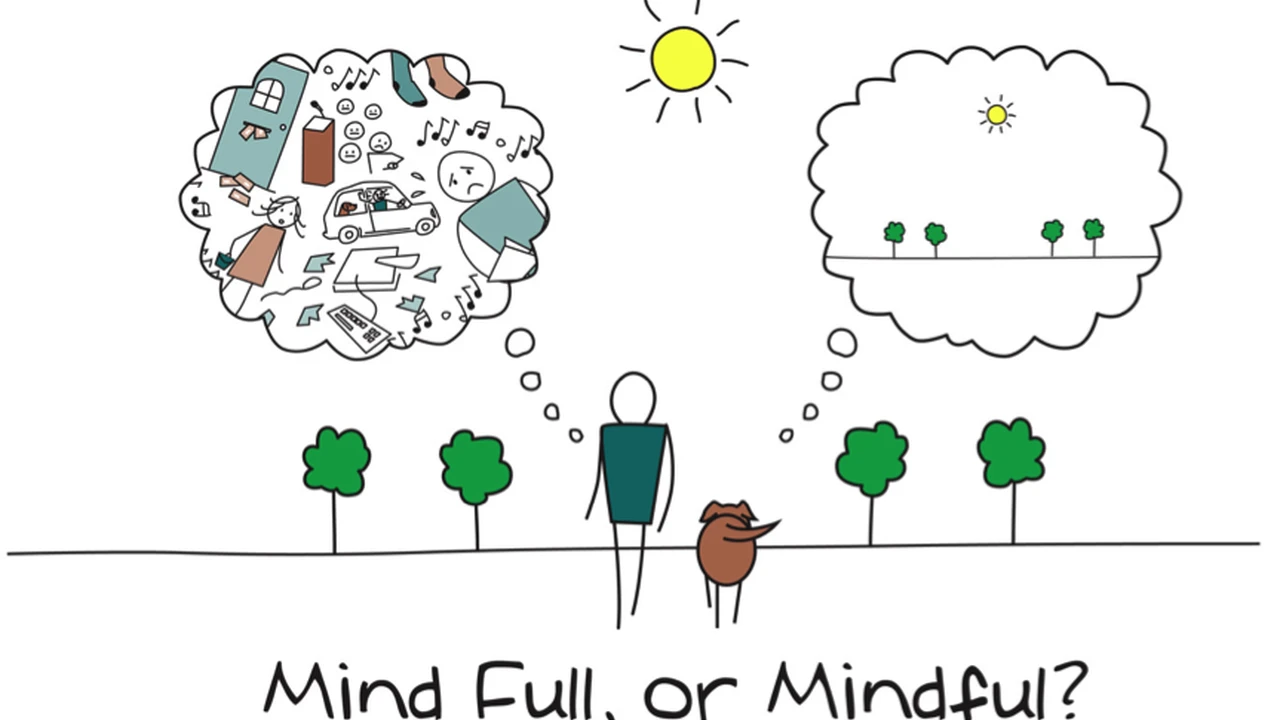
So, you've heard the buzz about mindfulness, right? It's everywhere these days, from corporate wellness programs to celebrity endorsements. But what exactly is it? At its heart, mindfulness is simply paying attention to the present moment without judgment. Think about it: how often are you truly present? Are you eating dinner while scrolling through your phone? Are you planning tomorrow's to-do list while talking to a friend? Mindfulness is about hitting the pause button on that mental autopilot and really noticing what's happening right now, both inside and outside of you. It's not about emptying your mind or achieving some blissful state; it's about observing your thoughts, feelings, and sensations as they arise, and letting them go without getting caught up in them. It's a skill, and like any skill, it gets better with practice. And trust me, the benefits are pretty amazing, from reducing stress to improving focus and even boosting your overall well-being. It's like giving your brain a much-needed workout, but instead of lifting weights, you're just... noticing.
Why Bother with Mindfulness The Benefits for Your Brain and Body
Okay, so now you know what it is, but why should you even bother? Well, the science is pretty compelling. Regular mindfulness practice can literally change your brain. Studies have shown it can increase gray matter in areas associated with learning, memory, emotion regulation, and empathy. That's pretty cool, right? Beyond brain changes, mindfulness is a powerhouse for stress reduction. By observing your thoughts and feelings without judgment, you create a little space between you and your reactions. This means you're less likely to get swept away by anxiety or anger. It can also improve your focus and attention span, which is a huge win in our constantly distracting world. Think about how much more productive you could be if you weren't constantly jumping from one thought to another. Plus, it can enhance emotional regulation, meaning you're better equipped to handle life's ups and downs. People who practice mindfulness often report better sleep, improved relationships, and a greater sense of overall happiness and contentment. It's not a magic bullet, but it's a pretty powerful tool to have in your mental wellness toolkit.
Getting Started with Mindfulness Simple Exercises for Daily Life
Ready to dive in? Great! You don't need to sit on a cushion for hours to practice mindfulness. You can start with simple exercises that fit right into your daily routine. Here are a few to get you going:
The Mindful Breath Your Anchor to the Present
This is probably the most fundamental mindfulness exercise. Find a quiet spot where you won't be disturbed for a few minutes. Sit comfortably, with your back straight but not stiff. Gently close your eyes or soften your gaze. Now, bring your attention to your breath. Notice the sensation of the air entering and leaving your body. Feel your chest or abdomen rise and fall. Don't try to change your breath, just observe it. Your mind will wander – that's totally normal! When you notice your mind has drifted, gently guide your attention back to your breath. Do this for 5-10 minutes to start, and gradually increase the time as you feel comfortable. This simple practice is incredibly powerful for grounding yourself.
The Mindful Eating Experience Savoring Every Bite
How often do you truly taste your food? For your next meal or even just a snack, try mindful eating. Before you take a bite, notice the colors, textures, and smells of your food. As you chew, pay attention to the flavors, how they change, and the sensations in your mouth. Notice the act of swallowing. Eat slowly, without distractions like your phone or TV. This isn't just about enjoying your food more; it can also help you become more aware of your hunger and fullness cues, potentially leading to healthier eating habits.
The Body Scan Meditation Connecting with Your Physical Self
This exercise helps you become more aware of your physical sensations. Lie down or sit comfortably. Close your eyes. Bring your attention to your toes. Notice any sensations there – warmth, coolness, tingling, pressure. Without judgment, just observe. Then, slowly move your attention up your body, through your feet, ankles, calves, knees, thighs, hips, abdomen, chest, back, arms, hands, neck, and finally your head. Spend a few moments on each area. If you notice any tension, simply acknowledge it without trying to change it. This practice can be incredibly relaxing and helps you tune into your body's signals.
Mindful Walking Turning a Chore into a Practice
Next time you're walking, whether it's to your car or around the block, try mindful walking. Pay attention to the sensation of your feet touching the ground. Notice the rhythm of your steps. Feel the air on your skin. Listen to the sounds around you, without labeling them as good or bad. Observe the sights, but don't get lost in thought about them. Just be present with the act of walking. It's a great way to bring mindfulness into an everyday activity.
Tools and Apps to Support Your Mindfulness Journey
While mindfulness is ultimately an internal practice, there are some fantastic tools and apps that can really help you get started and stay consistent. Think of them as your personal mindfulness coaches in your pocket. They offer guided meditations, timers, and sometimes even mood tracking to help you see your progress.
Top Mindfulness Apps for Guided Practice
These apps are incredibly popular for a reason – they make mindfulness accessible and enjoyable. They offer a wide range of guided meditations, from short 3-minute sessions to longer, more in-depth practices. Many also include sleep stories, calming music, and mindful movement exercises.
1. Calm
- What it is: Calm is one of the most well-known meditation and sleep apps. It offers guided meditations for various topics like stress, anxiety, focus, and self-care. It also features 'Sleep Stories' (bedtime stories for adults), calming music, and masterclasses taught by mindfulness experts.
- Why it's great for beginners: Its user-friendly interface and clear, soothing guidance make it very approachable. The daily 'Daily Calm' meditation is a perfect way to start your day mindfully.
- Key Features: Guided meditations, Sleep Stories, breathing exercises, masterclasses, calming music, mood tracker.
- Typical Use Case: Daily meditation, improving sleep quality, reducing anxiety, learning mindfulness techniques.
- Pricing: Free basic content; Premium subscription (Calm Premium) typically costs around $69.99/year or $399.99 for a lifetime subscription.
- Comparison: Calm often focuses more on sleep and relaxation, with a very polished and serene aesthetic.
2. Headspace
- What it is: Headspace is another giant in the mindfulness space, known for its playful animations and accessible approach to meditation. It offers structured courses on various topics, single meditations, and 'SOS' sessions for moments of crisis.
- Why it's great for beginners: The 'Basics' course is an excellent introduction to mindfulness, breaking down complex concepts into easy-to-understand lessons. The voice guidance is clear and encouraging.
- Key Features: Guided meditations, structured courses, sleep content, mindful movement, focus music, 'SOS' meditations.
- Typical Use Case: Learning meditation from scratch, building a consistent meditation habit, managing stress, improving focus.
- Pricing: Free basic content; Premium subscription (Headspace Plus) typically costs around $69.99/year or $399.99 for a lifetime subscription.
- Comparison: Headspace is often praised for its structured learning path and more 'educational' approach to mindfulness, making it ideal for those who want to understand the 'why' behind the practice.
3. Insight Timer
- What it is: Insight Timer boasts the largest free library of guided meditations, talks, and music. It's a community-driven platform with thousands of teachers and millions of users.
- Why it's great for beginners: The sheer volume of free content means you can explore different teachers and styles without committing financially. It also has a simple meditation timer if you prefer unguided practice.
- Key Features: Thousands of free guided meditations, meditation timer, talks, courses, live events, community features.
- Typical Use Case: Exploring a wide variety of meditation styles, finding specific meditations for particular needs, connecting with a global mindfulness community.
- Pricing: Mostly free content; Premium subscription (Insight Timer MemberPlus) typically costs around $59.99/year for offline access, advanced courses, and high-quality audio.
- Comparison: Insight Timer stands out for its extensive free library and community aspect, offering more variety than other apps but sometimes requiring more navigation to find what you need.
4. Ten Percent Happier
- What it is: Founded by ABC News anchor Dan Harris after his on-air panic attack, Ten Percent Happier focuses on a skeptical, no-nonsense approach to meditation. It features top meditation teachers and a clear, practical curriculum.
- Why it's great for beginners: If you're someone who finds traditional spiritual language off-putting, this app is perfect. It's very down-to-earth and focuses on the practical benefits.
- Key Features: Guided meditations, video lessons, sleep content, one-on-one coaching (premium feature).
- Typical Use Case: Learning meditation from a secular, evidence-based perspective, for those who are skeptical but open to trying.
- Pricing: Free introductory content; Premium subscription typically costs around $99.99/year.
- Comparison: Ten Percent Happier is unique in its skeptical, journalistic approach, making it appealing to those who prefer a more direct and less 'woo-woo' explanation of mindfulness.
Mindfulness Gadgets and Wearables Enhancing Your Practice
Beyond apps, there are some interesting gadgets designed to help you with mindfulness, particularly in tracking your progress or providing biofeedback. These aren't strictly necessary, but they can add another layer to your practice.
1. Muse S Headband
- What it is: The Muse S is a multi-sensor meditation device that provides real-time feedback on your brain activity, heart rate, breathing, and body movement during meditation. It connects to an app on your phone.
- Why it's great for beginners: The real-time audio feedback (e.g., calm bird sounds when your mind is still, stormy weather when it's active) helps you understand when you're truly focused and when your mind is wandering, making it easier to learn to meditate effectively.
- Key Features: EEG brain activity tracking, heart rate, breath, and body movement sensors, real-time audio feedback, sleep tracking, guided meditations.
- Typical Use Case: Deepening meditation practice, understanding brain states during meditation, improving sleep.
- Pricing: Typically ranges from $299 - $399.
- Comparison: Muse S offers a unique biofeedback experience that no app alone can provide, giving objective data on your meditation quality.
2. HeartMath Inner Balance Coherence Plus Sensor
- What it is: This small sensor clips to your earlobe and connects to an app, measuring your Heart Rate Variability (HRV) to help you achieve a state of 'coherence' – a state of optimal physiological functioning associated with reduced stress and improved emotional regulation.
- Why it's great for beginners: It provides immediate visual feedback on your coherence level, guiding you to adjust your breathing and focus to achieve a calmer state. It's very practical for stress management.
- Key Features: HRV biofeedback, guided meditations, journaling, progress tracking.
- Typical Use Case: Stress reduction, emotional regulation, improving focus, building resilience.
- Pricing: Typically around $159 - $199.
- Comparison: Unlike general meditation apps, HeartMath specifically targets HRV and coherence, offering a more physiological approach to mindfulness and stress management.
3. Oura Ring
- What it is: While not exclusively a mindfulness device, the Oura Ring is a smart ring that tracks sleep, activity, and various physiological metrics like heart rate, HRV, and body temperature. It provides daily readiness scores and insights.
- Why it's great for beginners: By understanding how your body responds to stress and mindfulness practices through its detailed sleep and readiness data, you can tailor your mindfulness routine more effectively. It also has guided meditation content within its app.
- Key Features: Sleep tracking (stages, quality), activity tracking, heart rate, HRV, body temperature, readiness score, guided meditations.
- Typical Use Case: Holistic health tracking, optimizing sleep, understanding stress recovery, integrating mindfulness with overall well-being.
- Pricing: Typically ranges from $299 - $449, plus an optional monthly membership for full features.
- Comparison: The Oura Ring offers a broader, more holistic view of your health, allowing you to see the tangible impact of mindfulness on your sleep and recovery, which can be very motivating.
Common Hurdles and How to Overcome Them Staying Consistent
Starting a mindfulness practice is one thing; sticking with it is another. It's totally normal to face challenges, but don't let them derail you. Here are some common hurdles and how to jump over them:
My Mind Won't Stop Wandering Dealing with a Busy Brain
This is probably the most common complaint, and it's a big misconception that your mind should be empty during meditation. Your mind will wander – that's what minds do! The practice isn't about stopping thoughts; it's about noticing when your mind has wandered and gently bringing it back to your anchor (like your breath). Each time you do this, you're strengthening your 'mindfulness muscle.' Be patient and kind to yourself. It's a process, not a destination.
I Don't Have Enough Time Fitting Mindfulness into a Hectic Schedule
You don't need an hour a day to practice mindfulness. Even 5-10 minutes can make a difference. Start small. Can you take 3 mindful breaths before checking your email? Can you mindfully drink your morning coffee? Look for 'micro-mindfulness' moments throughout your day. Consistency is more important than duration, especially when you're starting out. As you experience the benefits, you'll naturally want to dedicate more time.
I'm Not Feeling Anything Expecting Instant Results
Mindfulness isn't a quick fix. It's a subtle practice, and the benefits often accumulate over time. Don't go into it expecting a sudden burst of enlightenment or immediate stress relief. Sometimes, especially at first, you might even feel more aware of your stress or discomfort. That's actually a sign it's working! You're becoming more attuned to your inner experience. Trust the process, and focus on the practice itself, not just the outcome.
I Keep Forgetting to Practice Building a Habit
Habit formation is key. Try 'habit stacking' – link your mindfulness practice to something you already do every day. For example, 'After I brush my teeth, I will do a 5-minute mindful breathing exercise.' Or 'Before I eat lunch, I will take 3 mindful bites.' Set a reminder on your phone. Find an accountability partner. The more you integrate it into your routine, the easier it will become.
Integrating Mindfulness into Your Everyday Life Beyond Formal Practice
Mindfulness isn't just about sitting on a cushion; it's about bringing that awareness into every aspect of your life. The formal practices are like training for the real game – living mindfully.
Mindful Communication Listening with Presence
How often do you truly listen when someone is speaking, without formulating your response or getting distracted? Mindful communication means giving your full attention to the other person. Notice their words, their tone, their body language. Try to understand, rather than just waiting for your turn to speak. This can dramatically improve your relationships and reduce misunderstandings.
Mindful Chores Turning Tasks into Opportunities for Presence
Washing dishes, doing laundry, cleaning the house – these can often feel like tedious chores. But what if you approached them mindfully? Pay attention to the sensations: the warm water on your hands, the scent of the soap, the texture of the fabric. Focus on the task at hand, rather than letting your mind drift to complaints or future plans. You might find these tasks become less burdensome and even a little meditative.
Mindful Technology Using Devices with Intention
Our devices are huge sources of distraction. Mindful technology means using your phone, computer, and other gadgets with intention. Before you open an app or click a link, ask yourself: 'Why am I doing this? What's my intention?' Notice how you feel after spending time online. Set boundaries for screen time. Take regular digital detoxes. It's about being in control of your technology, rather than letting it control you.
Mindful Movement Connecting Body and Mind
Whether it's yoga, stretching, or just walking, bring mindfulness to your physical activity. Pay attention to how your body feels as you move. Notice the sensations of your muscles working, your breath, and the ground beneath you. This can deepen your connection to your body and make exercise a more enjoyable and grounding experience.
Your Journey to a More Mindful You Starting Today
Mindfulness is a journey, not a destination. There will be days when it feels easy and days when it feels impossible. That's perfectly okay. The key is to keep showing up, even for a few minutes. Be patient with yourself, be kind to yourself, and celebrate the small victories. Every time you bring your attention back to the present moment, you're building a stronger, more resilient, and more peaceful you. So, take a deep breath, and start your mindful journey today. The present moment is waiting for you.
:max_bytes(150000):strip_icc()/277019-baked-pork-chops-with-cream-of-mushroom-soup-DDMFS-beauty-4x3-BG-7505-5762b731cf30447d9cbbbbbf387beafa.jpg)