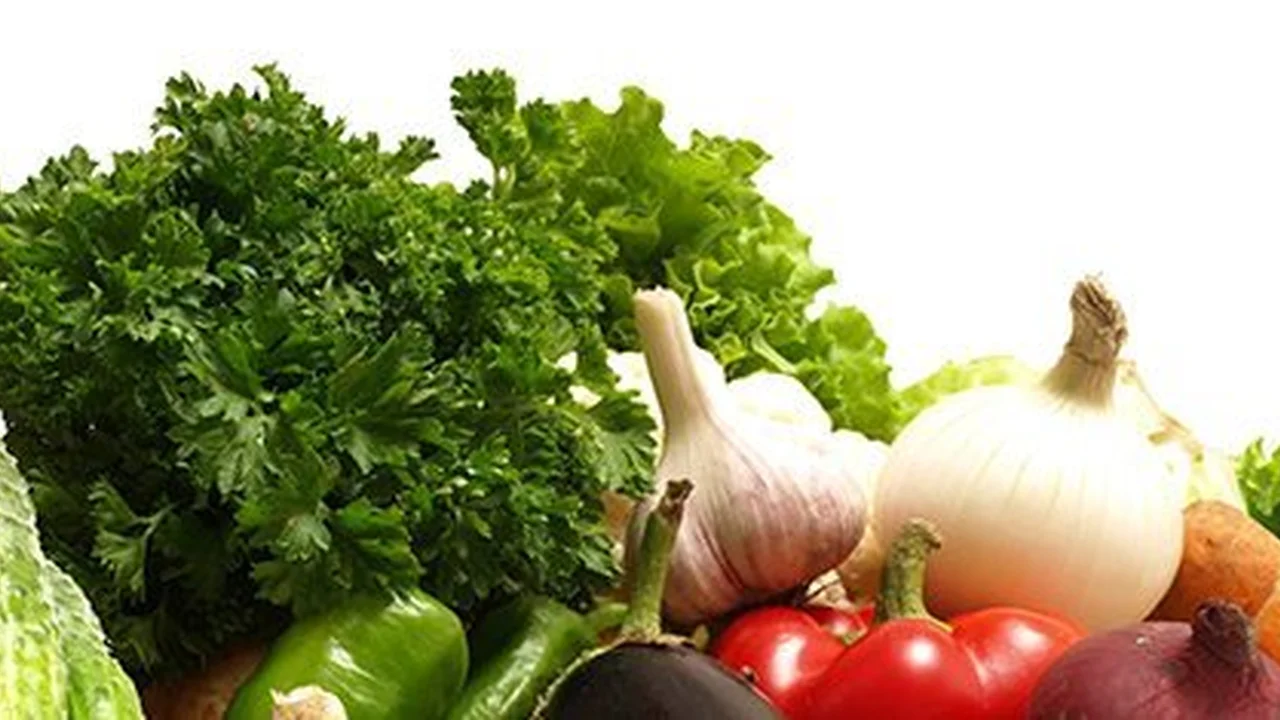
Gluten Free Diet Explained Benefits and Challenges
Understand the gluten-free diet. Learn its benefits and challenges for those with sensitivities or celiac disease.
Understand the gluten-free diet. Learn its benefits and challenges for those with sensitivities or celiac disease.
Gluten Free Diet Explained Benefits and Challenges
What is Gluten and Why Go Gluten Free? Understanding Gluten Sensitivity and Celiac Disease
So, you've heard a lot about the gluten-free diet, right? It's everywhere these days, from restaurant menus to grocery store aisles. But what exactly is gluten, and why are so many people choosing to avoid it? Let's break it down. Gluten is a family of proteins found in grains like wheat, barley, and rye. It's what gives dough its elasticity and helps bread rise, basically acting like the glue that holds things together. For most people, gluten is perfectly fine. They can eat it without any issues. However, for others, it can cause a whole host of problems.
The most severe reaction to gluten is Celiac Disease. This is an autoimmune disorder where consuming gluten triggers an immune response that damages the small intestine. This damage can lead to nutrient malabsorption, which means your body isn't getting all the good stuff it needs from your food. Symptoms can range from digestive issues like bloating, diarrhea, and abdominal pain to fatigue, skin rashes, and even neurological problems. It's a serious condition, and the only treatment is a strict, lifelong gluten-free diet.
Then there's Non-Celiac Gluten Sensitivity (NCGS). This is a bit trickier to diagnose because it doesn't involve the same autoimmune reaction or intestinal damage as celiac disease. However, people with NCGS experience similar symptoms after eating gluten, which improve when they remove it from their diet. Think bloating, brain fog, headaches, and general discomfort. While not as severe as celiac, it can still significantly impact quality of life. Finally, some people simply choose to go gluten-free because they feel better without it, even if they don't have a diagnosed sensitivity. They might experience less bloating or more energy. It's a personal choice, but understanding the different reasons behind it is key.
The Benefits of a Gluten Free Diet Beyond Celiac Disease and Gluten Sensitivity
While a gluten-free diet is medically necessary for those with celiac disease and often beneficial for those with NCGS, are there other perks? Some people report feeling better overall, even without a specific diagnosis. Let's explore some of the potential benefits:
- Improved Digestive Health: For many, especially those with sensitivities, removing gluten can lead to a significant reduction in bloating, gas, diarrhea, and constipation. This is often the most immediate and noticeable benefit.
- Increased Energy Levels: When your body isn't struggling to digest something it's sensitive to, it can free up energy. Many people report feeling less fatigued and more energetic after going gluten-free.
- Reduced Inflammation: Some research suggests that gluten can be pro-inflammatory for certain individuals. A gluten-free diet might help reduce systemic inflammation, which is linked to various chronic diseases.
- Weight Management: While not a direct weight-loss diet, going gluten-free often means cutting out a lot of processed foods like pastries, white bread, and sugary snacks. This can naturally lead to healthier food choices and, consequently, weight loss. However, it's important to note that many gluten-free processed foods can be high in sugar and unhealthy fats, so careful selection is crucial.
- Better Skin Health: Some individuals with gluten sensitivity report improvements in skin conditions like acne, eczema, or psoriasis after adopting a gluten-free diet. This could be linked to reduced inflammation.
- Reduced Brain Fog: For those with NCGS, brain fog is a common symptom. Eliminating gluten can often lead to clearer thinking, improved focus, and better cognitive function.
It's important to remember that these benefits aren't universal. If you don't have celiac disease or gluten sensitivity, you might not experience the same positive changes. Always consult with a healthcare professional or a registered dietitian before making significant dietary changes.
The Challenges of a Gluten Free Diet Navigating Restrictions and Nutritional Gaps
Okay, so a gluten-free diet sounds great for some, but it's not without its hurdles. Let's be real, going gluten-free can be tough, especially when you're first starting out. Here are some of the main challenges you might face:
- Dietary Restrictions and Social Life: Gluten is in so many common foods – bread, pasta, cakes, cookies, beer, and even some sauces and processed meats. Eating out can become a minefield, and social gatherings where food is involved can be tricky. You might feel like you're constantly explaining your diet or missing out on certain foods.
- Cross-Contamination: For those with celiac disease, even tiny amounts of gluten can cause a reaction. This means being super careful about cross-contamination in the kitchen, at restaurants, and even in shared appliances like toasters.
- Nutritional Deficiencies: Many gluten-containing grains are fortified with important vitamins and minerals like B vitamins, iron, and fiber. If you're not careful, a gluten-free diet can lead to deficiencies. Gluten-free alternatives often lack the same nutritional punch, so you need to be mindful of getting these nutrients from other sources.
- Cost: Unfortunately, gluten-free products often come with a higher price tag. This can make grocery shopping more expensive, especially if you rely heavily on specialty gluten-free versions of common foods.
- Taste and Texture: Let's be honest, some gluten-free products just don't taste or feel the same as their gluten-containing counterparts. Finding good-quality gluten-free bread or pasta that you actually enjoy can be a quest!
- Hidden Gluten: Gluten can hide in unexpected places, like soy sauce, salad dressings, medications, and even cosmetics. Reading labels becomes a full-time job.
These challenges are real, but with a bit of planning and education, they can be managed. It's all about learning what to look for and finding new, delicious gluten-free alternatives.
Essential Gluten Free Products and Brands for Your Pantry
Navigating the gluten-free world can feel overwhelming at first, but thankfully, there are tons of great products out there now. Here are some essential categories and specific brands that are widely available and well-regarded, along with their typical use cases and price points. Keep in mind prices can vary by region and retailer.
Gluten Free Breads and Baked Goods The Best Loaves and Pastries
Finding a good gluten-free bread is often the holy grail for newcomers. Many early versions were dense and crumbly, but things have vastly improved. For everyday sandwiches and toast, you want something soft and pliable.
- Canyon Bakehouse Gluten-Free Bread: This brand is a consistent favorite. Their Country White and Mountain White loaves are soft, don't crumble easily, and have a good texture for sandwiches. They also offer bagels and hamburger buns.
- Use Case: Daily sandwiches, toast, French toast.
- Price: $5.00 - $7.00 per loaf.
- Comparison: Often softer and less dry than other brands, holds up well.
- Udi's Gluten Free Bread: Another popular choice, Udi's offers a range of breads, bagels, and muffins. Their white sandwich bread is a staple for many.
- Use Case: Sandwiches, toast, general bread needs.
- Price: $4.50 - $6.50 per loaf.
- Comparison: Good texture, widely available, but some find it a bit smaller or denser than Canyon Bakehouse.
- Schar Gluten Free Bread: Schar is a European brand that has gained popularity globally. Their artisan baker breads are often praised for their taste and texture.
- Use Case: European-style sandwiches, toast, often good for dipping in olive oil.
- Price: $4.00 - $6.00 per loaf.
- Comparison: Often has a slightly different, more rustic texture than American brands, very good for those who prefer a firmer bread.
Gluten Free Pastas and Grains Delicious Alternatives for Every Meal
Pasta is a comfort food for many, and going gluten-free doesn't mean giving it up! The market for gluten-free pasta has exploded, with options made from corn, rice, quinoa, lentils, and chickpeas.
- Barilla Gluten Free Pasta: Made from corn and rice, Barilla's gluten-free line is fantastic. It holds its shape well, has a great texture, and doesn't get mushy. Available in various shapes like spaghetti, penne, and rotini.
- Use Case: Any pasta dish – spaghetti with marinara, mac and cheese, pasta salads.
- Price: $2.50 - $4.00 per box.
- Comparison: Very close to traditional wheat pasta in taste and texture, excellent for families where some eat gluten and some don't.
- Jovial Organic Gluten Free Pasta: This brand uses brown rice and is known for its excellent texture and flavor. They offer a wide range of shapes, including unique ones like casarecce.
- Use Case: High-quality pasta dishes, gourmet meals.
- Price: $3.50 - $5.00 per box.
- Comparison: Often considered a premium gluten-free pasta, great for those who are particular about texture.
- Banza Chickpea Pasta: If you're looking for a protein boost, Banza is a game-changer. Made from chickpeas, it's high in protein and fiber, making your pasta dishes more filling and nutritious.
- Use Case: Everyday pasta dishes, especially good for adding protein to vegetarian meals.
- Price: $3.00 - $4.50 per box.
- Comparison: Distinct chickpea flavor, slightly different texture, but very satisfying and nutritious.
- Quinoa: While not a pasta, quinoa is a fantastic gluten-free grain that's a complete protein. It's versatile and can be used as a side dish, in salads, or as a base for bowls.
- Use Case: Side dish, salad base, breakfast porridge.
- Price: $5.00 - $10.00 per bag (varies by size).
- Comparison: A naturally gluten-free superfood, great for adding nutrients.
Gluten Free Flours and Baking Mixes Baking Without Wheat
For those who love to bake, a good gluten-free flour blend is essential. You can buy pre-mixed blends or create your own from individual flours.
- Bob's Red Mill Gluten Free 1-to-1 Baking Flour: This is a popular and reliable all-purpose gluten-free flour blend. It's designed to be substituted cup-for-cup in recipes that call for wheat flour.
- Use Case: Baking cakes, cookies, muffins, pancakes, and general baking.
- Price: $5.00 - $8.00 per bag.
- Comparison: Very versatile and easy to use, a great starting point for gluten-free baking.
- King Arthur Gluten Free All-Purpose Flour: Another excellent 1-to-1 blend, King Arthur is known for its quality baking products.
- Use Case: Similar to Bob's Red Mill, great for a wide range of baked goods.
- Price: $6.00 - $9.00 per bag.
- Comparison: Often praised for consistent results and good texture in baked goods.
- Pamela's Products Gluten Free Baking & Pancake Mix: If you want something even easier, a pre-made mix for pancakes, waffles, or even biscuits can be a lifesaver.
- Use Case: Quick breakfasts, easy baking.
- Price: $6.00 - $9.00 per bag.
- Comparison: Convenient and reliable for specific uses, saves time.
Gluten Free Snacks and Treats Indulge Safely
Snacks are where gluten can often sneak in, but there are plenty of delicious gluten-free options now.
- Snyder's of Hanover Gluten Free Pretzel Sticks: These are surprisingly good and satisfy that salty, crunchy craving.
- Use Case: Snacking, party food.
- Price: $3.00 - $5.00 per bag.
- Comparison: Very close to traditional pretzels, a great alternative.
- Enjoy Life Foods Cookies and Snack Bars: This brand specializes in allergy-friendly products, so everything is gluten-free (and often dairy-free, nut-free, etc.). Their chocolate chip cookies are a hit.
- Use Case: Sweet treats, lunchbox snacks.
- Price: $4.00 - $6.00 per box/bag.
- Comparison: Excellent for those with multiple allergies, good taste and texture for a gluten-free cookie.
- Simple Mills Almond Flour Crackers: These crackers are made with almond flour and other simple ingredients, offering a healthier and delicious gluten-free cracker option.
- Use Case: With cheese, dips, or as a standalone snack.
- Price: $4.00 - $6.00 per box.
- Comparison: More wholesome ingredients than many rice-based crackers, good crunch.
Tips for Successfully Adopting a Gluten Free Lifestyle
Making the switch to gluten-free can feel like a huge undertaking, but with a few strategies, you can make it much smoother. Here are some practical tips to help you succeed:
Reading Food Labels Mastering the Art of Gluten Detection
This is probably the most crucial skill you'll develop. Gluten can hide in so many places! Always look for a 'gluten-free' certification label, which means the product meets strict standards (usually less than 20 parts per million of gluten). If there's no label, you need to scan the ingredient list carefully. Look out for wheat, barley, rye, malt (often derived from barley), brewer's yeast, and sometimes even oats (unless they are certified gluten-free, as oats can be cross-contaminated during processing). Many products will also have an allergen statement that clearly lists if wheat is present. Don't assume anything is gluten-free just because it seems like it should be – always check!
Meal Planning and Preparation Your Gluten Free Kitchen Strategy
Planning is your best friend. When you're new to gluten-free, it's easy to feel overwhelmed, especially when hunger strikes and you realize you have no safe options. Dedicate some time each week to plan your meals and snacks. This includes making a grocery list with specific gluten-free items. Batch cooking can also be a lifesaver. Prepare large portions of gluten-free grains like quinoa or rice, cook up some safe proteins, and chop vegetables so you have components ready for quick meals throughout the week. This reduces the temptation to grab something unsafe when you're short on time.
Dining Out Gluten Free Navigating Restaurants and Social Events
Eating out can be daunting, but it's definitely doable. Before you go to a restaurant, check their website for a gluten-free menu or call ahead to speak with the manager or chef. Explain your dietary needs clearly. When ordering, reiterate your gluten-free requirement to your server. Ask about preparation methods – for example, if fries are cooked in a dedicated fryer or if grilled items are cooked on a shared surface. Don't be afraid to ask questions; your health is important. For social events, consider bringing a gluten-free dish to share, or eat a meal beforehand so you're not starving and tempted by unsafe options. Communication is key with hosts and friends.
Nutrient Considerations Ensuring a Balanced Gluten Free Diet
As mentioned earlier, going gluten-free can sometimes lead to nutritional gaps. Many gluten-containing grains are fortified with B vitamins (thiamin, riboflavin, niacin, folate) and iron. Gluten-free alternatives often aren't. To ensure you're getting all your nutrients, focus on a diet rich in naturally gluten-free whole foods: fruits, vegetables, lean proteins, legumes, nuts, seeds, and naturally gluten-free grains like quinoa, brown rice, millet, and buckwheat. Consider consulting with a registered dietitian who specializes in gluten-free diets. They can help you identify potential deficiencies and recommend appropriate supplements if needed. Don't just swap out gluten-containing processed foods for gluten-free processed foods; aim for a diverse and nutrient-dense diet.
Who Should Consider a Gluten Free Diet Is It Right for Everyone
So, after all this talk about benefits and challenges, the big question remains: is a gluten-free diet for everyone? The short answer is, probably not. While it's a necessary and life-changing diet for some, it's not a magic bullet for universal health.
Definitely Consider It If:
- You have Celiac Disease: This is non-negotiable. A strict gluten-free diet is the only treatment to prevent intestinal damage and long-term health complications.
- You have Non-Celiac Gluten Sensitivity (NCGS): If you experience symptoms like bloating, digestive upset, brain fog, or fatigue after eating gluten, and these symptoms improve when you remove gluten, then a gluten-free diet is likely beneficial for you. It's best to get a proper diagnosis to rule out celiac disease first.
- You have a Wheat Allergy: While different from celiac disease or NCGS, a wheat allergy also requires avoiding wheat, which means a largely gluten-free diet (though you might be able to tolerate barley or rye).
Proceed with Caution or Consult a Professional If:
- You're considering it for general health or weight loss without symptoms: While some people report feeling better, there's no strong scientific evidence that a gluten-free diet offers significant health benefits for individuals without celiac disease or gluten sensitivity. In fact, it can lead to nutritional deficiencies if not managed carefully.
- You suspect you have a gluten issue but haven't been diagnosed: It's crucial to get tested for celiac disease BEFORE going gluten-free. If you remove gluten from your diet, the tests for celiac disease can become inaccurate, making diagnosis much harder.
For the general population, whole grains containing gluten (like whole wheat, barley, and rye) are actually a good source of fiber, vitamins, and minerals. Removing them without a medical reason means you'd need to actively seek out those nutrients from other sources to maintain a balanced diet. Ultimately, if you're thinking about going gluten-free, especially if you suspect a sensitivity, your first step should always be to talk to a doctor or a registered dietitian. They can help you get a proper diagnosis and guide you on how to safely and effectively implement a gluten-free diet if it's right for you.
:max_bytes(150000):strip_icc()/277019-baked-pork-chops-with-cream-of-mushroom-soup-DDMFS-beauty-4x3-BG-7505-5762b731cf30447d9cbbbbbf387beafa.jpg)