Yoga vs Pilates Which is Right for You
Decide between yoga and Pilates. Compare benefits, styles, and suitability for flexibility, strength, and mindfulness.
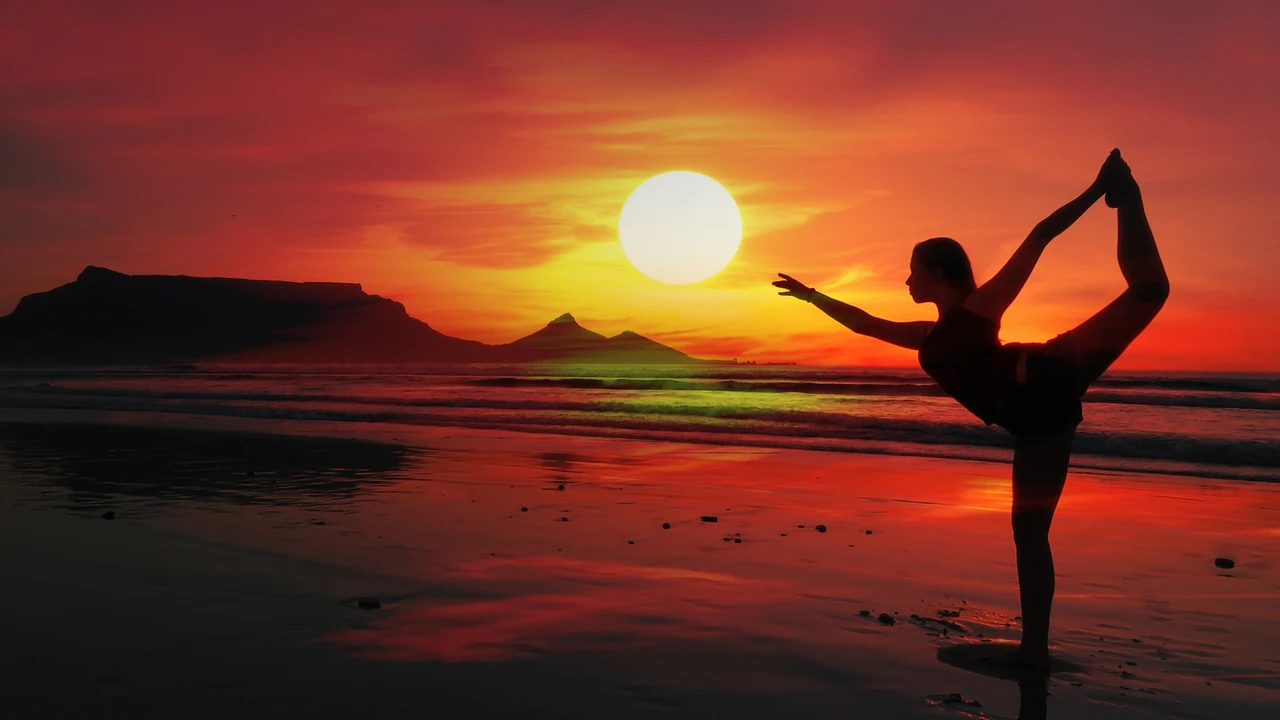
Decide between yoga and Pilates. Compare benefits, styles, and suitability for flexibility, strength, and mindfulness.
Yoga vs Pilates Which is Right for You
Hey there, fitness enthusiasts! Ever found yourself scrolling through endless workout options, wondering whether to roll out a yoga mat or hop onto a Pilates reformer? You're not alone! Yoga and Pilates are two incredibly popular mind-body practices, both celebrated for their ability to improve strength, flexibility, and overall well-being. But while they share some similarities, they're far from identical. Choosing between them can feel a bit like picking between apples and oranges – both are good for you, but they offer different flavors and benefits. So, let's dive deep and figure out which one might be your perfect match!
Understanding Yoga The Ancient Practice of Union
First up, let's talk about yoga. This isn't just a workout; it's an ancient practice that originated in India thousands of years ago. The word 'yoga' itself means 'union,' referring to the union of mind, body, and spirit. It's a holistic discipline that goes way beyond just physical postures.
Yoga's Core Principles and Benefits for Flexibility and Mindfulness
At its heart, yoga combines physical postures (asanas), breathing techniques (pranayama), and meditation. The goal is to cultivate inner peace, improve physical health, and achieve spiritual enlightenment. When you practice yoga, you're not just stretching; you're also focusing on your breath, being present in the moment, and connecting with your inner self. This emphasis on mindfulness and breathwork is a huge differentiator.
The physical benefits of yoga are extensive. It's fantastic for increasing flexibility, improving balance, and building core strength. Many people find that regular yoga practice helps reduce stress, alleviate anxiety, and even improve sleep quality. It can also be a great way to manage chronic pain, especially in the back and neck. Think about holding a Warrior II pose – you're building strength in your legs, opening your hips, and simultaneously focusing on your breath to maintain balance and calm your mind. It's a full-body and full-mind experience.
Popular Yoga Styles Exploring Vinyasa Hatha and Restorative Yoga
One of the cool things about yoga is its incredible diversity. There's a style for everyone, whether you're a seasoned yogi or just starting out. Here are a few popular ones:
- Hatha Yoga: This is often considered a foundational style, great for beginners. It involves holding poses for longer periods, focusing on alignment and breath. It's a slower pace, allowing you to really understand each posture.
- Vinyasa Yoga: Often called 'flow yoga,' Vinyasa links breath to movement, creating a dynamic and fluid sequence of poses. It's more energetic and can be quite a workout, building heat and strength.
- Ashtanga Yoga: A more rigorous and structured style, Ashtanga follows a specific sequence of poses. It's physically demanding and builds a lot of internal heat.
- Restorative Yoga: If relaxation is your goal, restorative yoga is your jam. It uses props like bolsters, blankets, and blocks to support the body in gentle poses, allowing for deep relaxation and stress release.
- Yin Yoga: This style involves holding passive poses for several minutes, targeting the deep connective tissues of the body. It's slow, meditative, and excellent for increasing flexibility and joint health.
- Bikram Yoga (Hot Yoga): Practiced in a heated room (usually 105°F or 40°C with 40% humidity), Bikram follows a specific sequence of 26 postures and two breathing exercises. The heat is believed to help with flexibility and detoxification.
Understanding Pilates The Method for Core Strength and Posture
Now, let's shift our focus to Pilates. Developed by Joseph Pilates in the early 20th century, this method was originally called 'Contrology.' Joseph Pilates designed it to rehabilitate injured soldiers and dancers, focusing on strengthening the body's 'powerhouse' – the core muscles.
Pilates' Core Principles and Benefits for Core Strength and Posture
Pilates emphasizes precise movements, controlled breathing, and core engagement. Every exercise stems from the core, which includes your abdominal muscles, lower back, hips, and glutes. The six core principles of Pilates are centering, concentration, control, precision, breath, and flow. Unlike yoga, which often has a spiritual component, Pilates is primarily focused on physical conditioning and rehabilitation.
The benefits of Pilates are truly impressive, especially for those looking to improve core strength, posture, and body awareness. It's fantastic for strengthening deep abdominal muscles, which can help alleviate back pain and improve overall stability. Many athletes use Pilates to enhance performance and prevent injuries. It also promotes long, lean muscles and can improve flexibility, though perhaps not to the same extent as some yoga styles. Think about a 'hundreds' exercise – you're engaging your deep core, controlling your breath, and executing precise movements to build endurance and strength.
Pilates Equipment Exploring Mat Pilates and Reformer Pilates
Pilates can be practiced in two main ways:
- Mat Pilates: This is done on a mat, using your own body weight for resistance. It's accessible and can be done almost anywhere, making it a popular choice for home workouts.
- Reformer Pilates: This involves specialized equipment called a reformer, which uses springs and pulleys to provide resistance. Reformer Pilates can offer a more challenging and varied workout, allowing for a wider range of exercises and modifications. It's often preferred for rehabilitation due to its adjustable resistance.
Yoga vs Pilates A Head-to-Head Comparison for Your Fitness Journey
So, how do these two stack up against each other? Let's break it down:
Flexibility and Range of Motion Yoga's Emphasis on Deep Stretching
If your primary goal is to increase flexibility and improve your range of motion, yoga generally has the edge. Many yoga poses are designed to deeply stretch muscles and connective tissues, leading to significant improvements in flexibility over time. Styles like Yin yoga are specifically dedicated to this.
Strength Building Core Focus in Pilates vs Full Body in Yoga
Both practices build strength, but they approach it differently. Pilates is renowned for its intense focus on core strength and stability. If you're looking to sculpt your abs, strengthen your back, and improve your posture, Pilates is incredibly effective. Yoga, on the other hand, builds strength throughout the entire body, often using body weight and isometric holds. Think about holding a plank in yoga versus a Pilates plank on a reformer – both challenging, but with slightly different muscle engagement.
Mind-Body Connection and Stress Reduction Yoga's Holistic Approach
This is where yoga truly shines. Its emphasis on breathwork, meditation, and mindfulness makes it a powerful tool for stress reduction, anxiety relief, and overall mental well-being. While Pilates requires concentration and focus, it doesn't typically delve into the spiritual or meditative aspects as deeply as yoga does. If you're looking for a practice that helps you calm your mind and connect with your inner self, yoga is likely the better choice.
Injury Prevention and Rehabilitation Pilates' Precision and Control
Both can be beneficial for injury prevention, but Pilates, with its focus on precise, controlled movements and core stability, is often recommended by physical therapists for rehabilitation and preventing future injuries. The adjustable resistance of the reformer also makes it highly adaptable for individuals with varying levels of strength and mobility.
Accessibility and Equipment Needs Mat Pilates vs Yoga Mat and Props
Both practices are quite accessible. Mat Pilates and many yoga styles only require a mat. However, if you want to explore Reformer Pilates, you'll need access to a specialized studio or equipment, which can be more expensive. Yoga also uses props like blocks, straps, and bolsters, but these are generally less costly than a Pilates reformer.
Choosing Your Path Finding the Right Fit for Your Goals
So, how do you decide? It really comes down to your personal goals and preferences.
When to Choose Yoga For Flexibility Mindfulness and Stress Relief
Choose yoga if you're looking to:
- Increase overall flexibility and range of motion.
- Reduce stress and anxiety.
- Improve your mind-body connection and practice mindfulness.
- Explore a spiritual dimension to your fitness.
- Build full-body strength and balance.
When to Choose Pilates For Core Strength Posture and Rehabilitation
Choose Pilates if you're looking to:
- Significantly strengthen your core muscles.
- Improve posture and body alignment.
- Rehabilitate from an injury or prevent future ones.
- Develop long, lean muscles and improve body awareness.
- Focus on precise, controlled movements.
Can You Do Both The Benefits of a Combined Practice
Absolutely! Many people find that combining yoga and Pilates offers the best of both worlds. You can get the deep stretching and mindfulness from yoga, and the intense core strengthening and postural benefits from Pilates. It's a fantastic way to create a well-rounded fitness routine.
Recommended Products and Resources for Your Practice
Whether you choose yoga, Pilates, or both, having the right gear can make a big difference. Here are some recommendations, keeping in mind different budgets and needs:
Yoga Essentials Mats Blocks and Straps
For yoga, a good mat is crucial. You want something with decent grip and cushioning.
- Lululemon Reversible Mat 5mm: This is a premium option (around $88 USD) known for its excellent grip, even when sweaty, and good cushioning. It's durable and great for all styles, especially Vinyasa or hot yoga.
- Manduka PRO Yoga Mat: Another high-end choice (around $120 USD), the Manduka PRO is incredibly dense and durable, offering superior support and cushioning. It's a lifetime investment for serious practitioners.
- Gaiam Premium Yoga Mat: A more budget-friendly option (around $30 USD), Gaiam mats offer good grip and cushioning for beginners and casual practitioners. They come in various thicknesses and designs.
Yoga Blocks: These are super helpful for modifying poses, providing support, and deepening stretches. Look for cork or high-density foam blocks.
- Gaiam Yoga Blocks (2-pack): Affordable and effective (around $20 USD), these foam blocks are lightweight and provide good support.
- Manduka Cork Yoga Block: A more stable and durable option (around $25 USD), cork blocks offer firm support and are eco-friendly.
Yoga Straps: Great for extending your reach and deepening stretches, especially for hamstrings and shoulders.
- YogaAccessories Cotton Yoga Strap: Simple, durable, and affordable (around $10 USD), a cotton strap is a must-have.
Pilates Essentials Mats and Reformer Options
For Mat Pilates, a thicker mat is often preferred for extra cushioning, as you'll be doing a lot of work on your back and side.
- BalanceFrom GoFit All-Purpose Exercise Mat: This is a great value option (around $25 USD) that's thicker than a standard yoga mat, providing excellent cushioning for Pilates exercises.
- STOTT PILATES Deluxe Pilates Mat: A professional-grade mat (around $70 USD) offering superior density and comfort, ideal for dedicated Pilates practitioners.
Pilates Reformers (for home use): If you're serious about Reformer Pilates at home, these are significant investments.
- AeroPilates Performer 4400: A popular home reformer (around $500-$700 USD) that offers a good range of resistance and exercises. It's foldable, making it suitable for smaller spaces.
- Balanced Body Allegro 2 Reformer: This is a professional-grade reformer (starting around $4,000 USD) that you'd typically find in a studio. It offers unparalleled quality, versatility, and a smooth, quiet ride. Definitely a splurge, but worth it for serious enthusiasts or instructors.
Pilates Rings (Magic Circles): These add resistance and challenge to mat exercises, especially for inner thighs and arms.
- Stott Pilates Resistance Ring: A high-quality ring (around $30 USD) that maintains its shape and provides consistent resistance.
Online Platforms and Apps For Guided Practice
Whether you're doing yoga or Pilates, online resources are fantastic for guided practice.
- Glo (Yoga & Pilates): A premium subscription service (around $24 USD/month) offering thousands of classes from world-class instructors. They have a huge library for both yoga and Pilates, catering to all levels and styles.
- Peloton App (Yoga & Pilates): While known for cycling, Peloton also has an extensive library of yoga and Pilates classes (around $12.99 USD/month for the app-only membership). Great instructors and a wide variety of class lengths and styles.
- YouTube Channels: For free options, check out 'Yoga With Adriene' for yoga (millions of subscribers, fantastic for beginners and all levels) and 'Blogilates' with Cassey Ho for Pilates (energetic, fun, and effective mat Pilates workouts).
Making Your Decision Listen to Your Body and Your Goals
Ultimately, the best way to decide between yoga and Pilates is to try both! Many studios offer introductory classes or trial periods. Pay attention to how your body feels during and after each practice. Do you feel more energized and centered after yoga, or more strong and aligned after Pilates?
Consider your current fitness level, any existing injuries, and what you hope to gain from your practice. If you're looking for a holistic approach to well-being that includes mental and spiritual elements, yoga might be your calling. If you're focused on building a strong core, improving posture, and precise movement, Pilates could be your perfect match.
Remember, there's no right or wrong answer. The most important thing is to find a practice that you enjoy, that challenges you, and that supports your overall health and wellness journey. Happy moving!
:max_bytes(150000):strip_icc()/277019-baked-pork-chops-with-cream-of-mushroom-soup-DDMFS-beauty-4x3-BG-7505-5762b731cf30447d9cbbbbbf387beafa.jpg)