Virtual Reality Fitness Games The Ultimate Guide
Dive into VR fitness games. Learn about the best virtual reality workouts for an engaging and active experience.
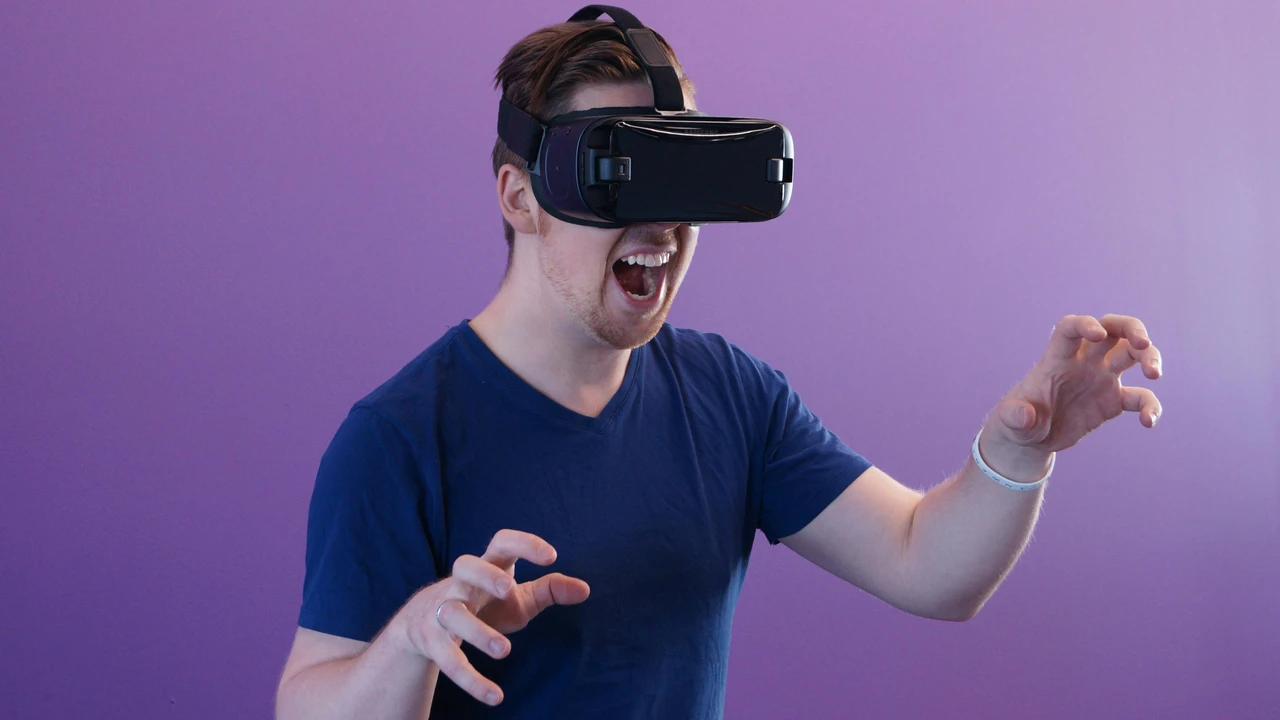
Dive into VR fitness games. Learn about the best virtual reality workouts for an engaging and active experience.
Virtual Reality Fitness Games The Ultimate Guide
Hey there, fitness enthusiasts and tech lovers! Are you tired of the same old gym routine? Do you find yourself struggling to stay motivated with traditional workouts? Well, get ready to have your mind blown, because virtual reality (VR) fitness games are here to revolutionize how we think about exercise. Forget boring treadmills and repetitive weightlifting; imagine stepping into a vibrant, immersive world where every punch, dodge, and squat contributes to your high score and, more importantly, your physical well-being. This isn't just gaming; it's a full-body workout disguised as exhilarating fun. And trust me, once you try it, you might never look at exercise the same way again.
In this ultimate guide, we're going to dive deep into the exciting universe of VR fitness. We'll explore what makes these games so effective, why they're gaining so much traction, and how you can get started. We'll also break down some of the best VR fitness games and equipment available today, comparing their features, use cases, and even their price points. So, whether you're a seasoned gamer looking for a new challenge or a fitness newbie searching for a fun way to get active, you've come to the right place. Let's jump in!
What is VR Fitness and Why is it Booming
So, what exactly is VR fitness? Simply put, it's exercise performed within a virtual reality environment. Instead of just watching a screen, you're inside the game, using your body to interact with the virtual world. This could mean dodging virtual projectiles, punching rhythmically to music, or even climbing digital mountains. The beauty of VR fitness lies in its ability to make exercise feel less like a chore and more like an adventure. It gamifies movement, turning sweat into satisfaction and effort into achievement.
The boom in VR fitness isn't just a fad; it's a response to several key factors. Firstly, the immersive nature of VR distracts you from the physical exertion. You're so focused on hitting that next target or avoiding that virtual obstacle that you often don't realize how hard you're working until you take off the headset. This 'distraction factor' is incredibly powerful for maintaining motivation. Secondly, the accessibility of VR technology has improved dramatically. Headsets are becoming more affordable and user-friendly, making it easier for more people to jump in. Thirdly, the COVID-19 pandemic accelerated the need for effective home workout solutions, and VR fitness perfectly fits that bill, offering engaging experiences without needing to leave your living room. Finally, the sheer variety of games means there's something for everyone, from intense cardio to mindful movement, ensuring you never get bored.
Benefits of Virtual Reality Workouts Beyond the Fun Factor
While the fun factor is a huge draw, VR fitness offers a wealth of tangible benefits that go beyond just entertainment. Let's break down why these virtual workouts are so good for you:
Enhanced Calorie Burn and Cardiovascular Health
Many VR fitness games are designed to get your heart rate up and keep it there. Games like Beat Saber or Pistol Whip involve constant movement, quick reflexes, and sustained effort, leading to significant calorie expenditure. Studies have shown that VR workouts can be as effective as traditional cardio exercises, sometimes even more so because the immersive nature encourages longer, more consistent engagement. This translates to improved cardiovascular health, stronger lungs, and better endurance.
Improved Coordination and Balance
Navigating virtual environments and interacting with digital objects often requires precise movements, quick changes in direction, and maintaining balance. Games that involve dodging, ducking, or striking targets can significantly improve your hand-eye coordination, spatial awareness, and overall balance. This is particularly beneficial for older adults looking to maintain mobility and prevent falls, but it's also great for athletes wanting to sharpen their reflexes.
Increased Motivation and Consistency in Exercise
This is perhaps one of the biggest advantages. The gamified nature of VR fitness, with its scores, leaderboards, and progression systems, provides constant motivation. You're not just exercising; you're striving for a new high score, unlocking new levels, or competing with friends. This intrinsic motivation makes it much easier to stick to a workout routine, turning what might feel like a chore into something you genuinely look forward to. The novelty and excitement of new games and updates also keep things fresh.
Mental Health Boost and Stress Reduction
Beyond the physical, VR fitness can be a powerful tool for mental well-being. The immersive experience can be a fantastic escape from daily stressors, allowing you to fully focus on the game and clear your mind. The physical activity itself releases endorphins, which are natural mood boosters. Plus, achieving goals and improving your scores in VR can provide a sense of accomplishment and boost self-esteem. Some VR experiences even focus on mindfulness and relaxation, offering guided meditations in serene virtual landscapes.
Accessibility and Convenience for Home Workouts
One of the most practical benefits is the convenience. You can get a full-body workout without leaving your home, eliminating travel time to the gym, membership fees, and the intimidation factor some people feel in public fitness spaces. This makes VR fitness incredibly accessible for people with busy schedules, those living in remote areas, or individuals who prefer to exercise in private. It also opens up fitness to people with mobility challenges, as many games can be adapted or played seated.
Essential VR Fitness Equipment What You Need to Start
Ready to jump into the virtual gym? Here's a breakdown of the essential equipment you'll need, along with some specific product recommendations and their typical price ranges.
VR Headsets The Gateway to Virtual Workouts
The headset is your most crucial piece of equipment. It's what transports you into the virtual world. There are a few main types, but for fitness, standalone headsets are generally preferred due to their freedom of movement.
Meta Quest 3 The All-Rounder for VR Fitness
- Description: The Meta Quest 3 is currently one of the most popular and versatile standalone VR headsets. It offers a fantastic balance of performance, comfort, and a vast library of games and apps. It features improved resolution, a more powerful processor than its predecessor (Quest 2), and color passthrough for mixed reality experiences.
- Use Case: Ideal for almost all VR fitness games, from high-intensity rhythm games to more active adventure titles. Its wireless nature means no cables to trip over, which is crucial for active workouts. The color passthrough also allows for 'mixed reality' fitness, where virtual elements are overlaid onto your real-world environment, which can be great for safety and unique workout experiences.
- Comparison: Compared to the Quest 2, it offers a sharper image, better performance, and a slimmer profile. It's more expensive than the Quest 2 but offers a significant upgrade. Compared to PC VR headsets, it's much more convenient due to its standalone nature, though PC VR can offer higher fidelity graphics if you have a powerful gaming PC.
- Price: Typically ranges from $499 to $649, depending on storage capacity (128GB or 512GB).
Meta Quest 2 The Budget-Friendly Entry Point
- Description: The Meta Quest 2 remains an excellent entry-level VR headset. It's still widely supported, has a massive game library, and offers a great VR experience for its price point. While not as powerful as the Quest 3, it's more than capable of running most VR fitness titles smoothly.
- Use Case: Perfect for those new to VR fitness who want to try it out without a huge initial investment. It handles all the popular fitness games well.
- Comparison: It's the predecessor to the Quest 3, so it has slightly lower resolution, a less powerful chip, and black-and-white passthrough. However, for many, the performance difference isn't a deal-breaker, especially given the price difference.
- Price: Often found for around $249 to $299, especially during sales.
Pico 4 A Strong Contender with Good Value
- Description: The Pico 4 is another strong standalone VR headset, particularly popular in some Asian markets. It boasts a higher resolution than the Quest 2 and a more balanced design, often feeling lighter and more comfortable for extended use.
- Use Case: Excellent for fitness due to its comfortable design and good visual clarity. Its controller design is also quite ergonomic for active play.
- Comparison: Offers a higher resolution than Quest 2 and often a more comfortable fit out of the box. Its game library is growing but might not be as extensive as Meta's. It's a solid alternative if you're looking for something different from the Meta ecosystem.
- Price: Generally in the $350 to $450 range.
Accessories for Enhanced Comfort and Performance
While not strictly necessary to start, these accessories can significantly improve your VR fitness experience, especially for intense workouts.
Facial Interface Replacements for Hygiene and Comfort
- Description: The stock facial interface on most headsets is made of foam, which absorbs sweat. After a few intense sessions, it can become uncomfortable and unhygienic. Replacements, often made of PU leather or silicone, are easy to wipe clean.
- Use Case: Essential for anyone doing regular, sweaty VR workouts. Prevents skin irritation and keeps your headset fresh.
- Comparison: Brands like VR Cover and AMVR offer excellent options. They vary in material, thickness, and ventilation.
- Price: $20 to $40.
Head Straps for Better Stability and Weight Distribution
- Description: The default head straps on headsets like the Quest 2 and 3 can sometimes feel flimsy or cause pressure points during active movement. Aftermarket head straps, often with rigid designs and better padding, distribute weight more evenly.
- Use Case: Improves comfort and stability, preventing the headset from shifting during vigorous movements. Crucial for longer workout sessions.
- Comparison: Elite Strap (official Meta accessory), BoboVR M2/M3 Pro (with battery pack for extended play), Kiwi Design head straps are popular choices.
- Price: $30 to $80.
Controller Grips and Straps for Security and Sweat Absorption
- Description: These accessories provide a better grip on your controllers, especially when your hands get sweaty. Many also include knuckle straps, so you don't have to constantly grip the controller, reducing hand fatigue and preventing accidental throws.
- Use Case: Prevents controllers from slipping out of your hands during intense gameplay and allows for a more relaxed grip.
- Comparison: Silicone covers are common, but some brands offer more ergonomic designs with integrated knuckle straps.
- Price: $15 to $30.
Anti-Fog Wipes or Inserts for Clear Vision
- Description: Just like glasses, VR lenses can fog up during intense workouts due to sweat and body heat. Anti-fog solutions help maintain clear vision.
- Use Case: Ensures uninterrupted gameplay by preventing lens fogging.
- Comparison: Wipes are a quick solution, while anti-fog inserts can offer longer-lasting protection.
- Price: $5 to $15.
Top Virtual Reality Fitness Games for Every Workout Style
Now for the fun part: the games! The VR fitness library is constantly expanding, offering diverse experiences for different fitness goals and preferences. Here are some of the absolute best, along with their unique selling points and how they compare.
Beat Saber The Rhythm Action Cardio King
- Description: Beat Saber is arguably the most iconic VR game, and it's a fantastic workout. You wield two lightsabers and slice through incoming blocks to the beat of electronic music. Blocks have directional arrows, forcing you to swing in specific ways, and you also have to dodge walls.
- Workout Focus: High-intensity cardio, arm and shoulder strength, core engagement (from dodging), reflexes, and coordination.
- Use Case: Perfect for quick, intense cardio bursts. It's incredibly addictive and makes you forget you're exercising. Great for all fitness levels, with difficulty settings ranging from easy to expert+.
- Comparison: The gold standard for rhythm-based VR fitness. While many games try to emulate its success, Beat Saber's polished gameplay, excellent track selection (including paid DLC packs with popular artists), and vibrant visuals keep it at the top.
- Price: Base game typically $29.99. Music packs are additional, usually $7.99 to $12.99 per pack.
Pistol Whip The Action-Packed Shooter Workout
- Description: Imagine John Wick meets a rhythm game. In Pistol Whip, you're a super-agent moving through cinematic action sequences, shooting enemies to the beat of a thumping soundtrack while dodging incoming fire.
- Workout Focus: Full-body cardio, leg strength (from constant dodging and squatting), arm endurance (from holding and aiming pistols), reflexes, and core stability.
- Use Case: For those who love action movies and want a more aggressive, high-energy workout. It's incredibly immersive and makes you feel like a badass.
- Comparison: Offers a more active and physically demanding experience than Beat Saber due to the constant dodging and aiming. It's less about precise rhythm and more about fluid movement and target acquisition.
- Price: Typically $29.99.
Supernatural The Personalized Fitness Coach
- Description: Supernatural is a subscription-based VR fitness service that offers daily guided workouts in stunning real-world locations (like the pyramids of Egypt or the glaciers of Iceland). Coaches guide you through movements, encouraging you to squat, lunge, and swing at targets.
- Workout Focus: Full-body cardio, strength, flexibility, and mindfulness. It offers a wide variety of workout types, including Flow (rhythm-based), Boxing, Meditations, and even stretching.
- Use Case: Ideal for those who thrive with guided workouts and want variety. The beautiful environments and motivating coaches make it feel like a premium fitness experience. It tracks your progress and offers personalized recommendations.
- Comparison: Unlike other games, Supernatural is a dedicated fitness platform with a strong emphasis on coaching and variety. It's more akin to a virtual Peloton for VR. The subscription model provides fresh content daily.
- Price: Requires a monthly subscription, typically $19.99/month or $179.99/year (after a free trial).
Thrill of the Fight The Realistic Boxing Simulator
- Description: If you want a truly intense, realistic boxing workout, Thrill of the Fight is your game. It's a no-frills boxing simulator where you face off against various opponents, requiring actual boxing technique, footwork, and stamina.
- Workout Focus: High-intensity cardio, upper body strength and endurance (shoulders, arms, back), core strength, footwork, and stamina. This game will make you sweat buckets.
- Use Case: For serious fitness enthusiasts or aspiring boxers. It's not a rhythm game; it's a simulation, so expect to get a real workout. Make sure you have plenty of space!
- Comparison: Far more realistic and physically demanding than other boxing-themed VR games. It focuses on authentic boxing mechanics rather than just hitting targets to a beat.
- Price: Typically $9.99.
FitXR The Diverse Fitness Studio
- Description: FitXR is another subscription-based fitness platform offering a variety of workout classes, including Boxing, Dance, HIIT, and Combat. It's like having a virtual fitness studio in your home, with instructors guiding you through routines.
- Workout Focus: Cardio, strength, agility, and coordination across different disciplines.
- Use Case: Great for those who enjoy structured classes and want a wide range of workout types within one app. The social features allow you to work out with friends.
- Comparison: Similar to Supernatural in its subscription model and focus on guided workouts, but offers a different aesthetic and a slightly different mix of class types. It's more about traditional fitness class structures adapted for VR.
- Price: Requires a monthly subscription, typically $9.99/month (after a free trial).
Synth Riders The Flowing Rhythm Experience
- Description: Synth Riders is a rhythm game where you glide along rails and hit orbs with your hands, often in a more flowing, dance-like motion than Beat Saber. It features a fantastic synthwave soundtrack and mesmerizing visuals.
- Workout Focus: Cardio, upper body movement, flexibility, and coordination. It's often described as a more dance-oriented workout.
- Use Case: Excellent for those who enjoy dancing and want a less aggressive, more fluid rhythm game experience. It's also great for a warm-up or cool-down.
- Comparison: Often compared to Beat Saber, but Synth Riders emphasizes flowing movements and full-body engagement rather than sharp, precise cuts. It feels more like dancing.
- Price: Base game typically $24.99. Music packs are additional.
OhShape The Full Body Obstacle Course
- Description: Inspired by the Japanese game show 'Hole in the Wall,' OhShape has you contorting your body to fit through incoming cutouts in walls, punching blocks, and dodging obstacles.
- Workout Focus: Full-body agility, flexibility, core strength, and quick reflexes. It forces you to move your entire body in dynamic ways.
- Use Case: A unique and fun way to work on agility and flexibility. It's a great alternative to traditional cardio and adds a puzzle-solving element to your workout.
- Comparison: Stands out for its unique gameplay mechanic that requires full-body contortion, making it different from typical rhythm or boxing games.
- Price: Typically $19.99.
Setting Up Your VR Fitness Space Tips for Safety and Immersion
Before you start swinging those virtual lightsabers, it's crucial to set up your physical space correctly. Safety first, always!
Clear Your Play Area for Unrestricted Movement
This is non-negotiable. You'll be moving, swinging your arms, and potentially squatting or lunging. Make sure you have at least a 6.5 x 6.5 feet (2 x 2 meters) clear space. Remove any furniture, pets, or fragile items that could be in your way. Trust me, you don't want to punch your TV or kick your cat (virtually or otherwise).
Establish Your Guardian Boundary System
All modern VR headsets have a 'Guardian' or 'Chaperone' system that creates a virtual boundary in your play space. When you get too close to the edge, a grid appears, warning you. Set this up carefully and make sure it accurately reflects your clear area. Don't try to cheat it; those virtual walls are there to protect your real-world self and belongings.
Wear Appropriate Footwear and Clothing
Just like any other workout, wear comfortable athletic clothing that allows for a full range of motion. For footwear, non-slip athletic shoes are recommended, especially if you're on a hard floor. If you're on carpet, socks might be fine, but be mindful of slipping. Some people even prefer to go barefoot for better ground feel, but ensure your floor is clean and safe.
Manage Sweat and Keep Your Headset Clean
You will sweat. A lot. Have a towel handy to wipe your face and hands. As mentioned earlier, investing in a wipeable facial interface is a game-changer for hygiene and comfort. After each session, wipe down your headset and controllers to prevent sweat buildup and keep them in good condition.
Consider a Mat for Comfort and Orientation
Placing a small, non-slip mat in the center of your play space can be incredibly helpful. It provides a tactile reference point, so you know where you are in your room without having to constantly peek through the passthrough camera. It also offers a bit of cushioning for your feet and joints.
Stay Hydrated During Your VR Workouts
Just like any intense exercise, you'll be losing fluids. Keep a water bottle within easy reach (but outside your play area) and take regular sips, especially during longer sessions. Don't wait until you feel thirsty.
Integrating VR Fitness into Your Routine Practical Tips
So, you've got your gear and your games. How do you make VR fitness a consistent part of your health journey?
Start Slow and Gradually Increase Intensity
Don't go from zero to hero on day one. Even if you're generally fit, VR movement can be different and might engage muscles in new ways. Start with easier difficulty settings or shorter sessions (15-20 minutes) and gradually increase the duration and intensity as your body adapts. Listen to your body and take rest days when needed.
Mix and Match Games for Full Body Engagement
No single VR game will give you a complete full-body workout. Combine different types of games to target various muscle groups and fitness aspects. For example, a session of Thrill of the Fight for upper body and cardio, followed by OhShape for agility and core, and then a cool-down with a VR meditation app. Variety also keeps things interesting and prevents burnout.
Set Achievable Goals and Track Your Progress
Just like traditional fitness, setting goals can be a huge motivator. Aim for a certain score in Beat Saber, complete a specific number of Supernatural workouts per week, or try to beat your personal best in Pistol Whip. Many VR fitness apps also track your calories burned and workout duration, which can be very satisfying to see over time.
Make it a Social Experience with Friends
Many VR fitness games offer multiplayer modes. Working out with friends, even virtually, can significantly boost motivation and accountability. Compete on leaderboards, challenge each other to new songs, or simply enjoy the shared experience. This adds another layer of fun and engagement.
Listen to Your Body and Prevent Injury
While VR fitness is incredibly fun, it's still physical activity. Pay attention to any pain or discomfort. Ensure you're performing movements with good form. If a game requires a lot of squatting, make sure your knees are aligned. If you're swinging your arms, ensure your shoulders are stable. A quick warm-up before and cool-down after your VR session can also help prevent muscle soreness and injury.
The Future of VR Fitness Innovations on the Horizon
The world of VR fitness is still relatively young, and it's evolving at a rapid pace. What can we expect in the coming years?
More Advanced Tracking and Haptic Feedback
Expect even more precise full-body tracking, allowing for more nuanced and effective workouts. Haptic feedback (the sense of touch in VR) will become more sophisticated, making virtual punches feel more impactful or virtual objects feel more tangible, further enhancing immersion and workout effectiveness.
Integration with Real-World Fitness Equipment
Imagine stepping onto a real-world treadmill that's integrated with a VR headset, allowing you to run through virtual landscapes or compete in virtual races. We're already seeing early examples of this, and it's likely to become more common, blending the best of both worlds.
AI-Powered Personalized Workouts and Coaching
Artificial intelligence will play an even bigger role in tailoring workouts to your individual fitness level, goals, and even mood. AI coaches could provide real-time form correction, adapt workout intensity on the fly, and offer highly personalized training plans, making VR fitness even more effective and accessible.
Mixed Reality Fitness Experiences
With headsets like the Meta Quest 3 offering robust color passthrough, mixed reality (MR) fitness is set to explode. This means virtual elements can interact with your real-world environment. Imagine virtual targets appearing on your living room wall, or a virtual trainer guiding you through exercises while you can still see your surroundings. This could make VR fitness safer and more integrated into daily life.
Broader Range of Fitness Genres and Experiences
Beyond rhythm games and boxing, expect to see a wider array of fitness genres. Think VR climbing simulators with realistic resistance, virtual dance classes with motion capture, or even immersive yoga and Pilates experiences in breathtaking virtual settings. The possibilities are truly endless.
So, there you have it! Virtual reality fitness isn't just a gimmick; it's a legitimate, effective, and incredibly fun way to get active and stay healthy. Whether you're looking to burn calories, improve coordination, or simply find a workout you actually enjoy, VR fitness offers a compelling solution. With accessible hardware and a growing library of engaging games, there's never been a better time to dive in and experience the future of exercise. Get ready to sweat, smile, and transform your fitness journey, all from the comfort of your own home. Happy gaming, and happy sweating!
:max_bytes(150000):strip_icc()/277019-baked-pork-chops-with-cream-of-mushroom-soup-DDMFS-beauty-4x3-BG-7505-5762b731cf30447d9cbbbbbf387beafa.jpg)