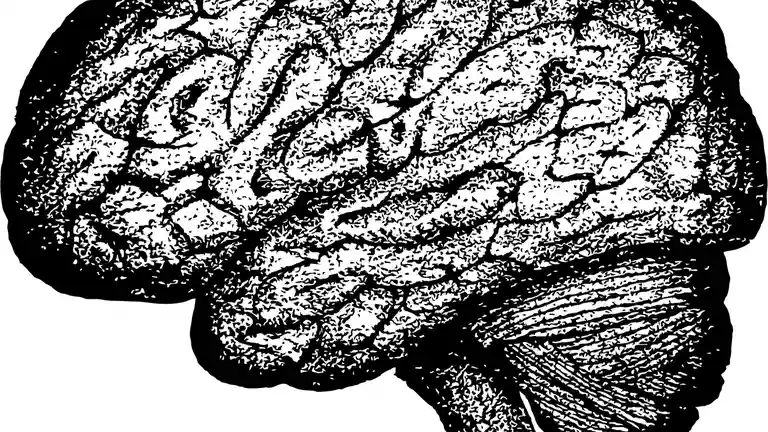
The Link Between Gut Health and Mental Well Being
Explore the link between gut health and mental well-being. Understand how your microbiome impacts your mood.

Explore the link between gut health and mental well-being. Understand how your microbiome impacts your mood.
The Gut Brain Axis Unveiling the Connection Between Your Microbiome and Mental Health
Hey there! Ever felt a knot in your stomach when you’re stressed, or noticed your mood shifting after eating certain foods? It’s not just in your head – or rather, it’s not just in your gut. There’s a fascinating, intricate conversation happening constantly between your brain and your digestive system, a two-way street known as the gut-brain axis. This isn't some new-age concept; it's a rapidly evolving field of science that's changing how we understand everything from anxiety and depression to cognitive function and even neurological disorders. So, let's dive deep into how your gut microbiome – that bustling community of trillions of microorganisms living inside you – plays a starring role in your mental well-being.
Understanding the Gut Brain Axis The Superhighway of Communication
Think of the gut-brain axis as a superhighway, a complex network of communication channels connecting your central nervous system (your brain and spinal cord) with your enteric nervous system (ENS), often called your “second brain,” which is embedded in the walls of your gastrointestinal tract. This isn't just about nerves; it involves hormones, neurotransmitters, and immune pathways, all working together to influence everything from digestion and appetite to mood and stress response.
The Vagus Nerve Your Direct Line of Communication
One of the most important players in this communication network is the vagus nerve. It’s the longest cranial nerve in your body, extending from your brainstem all the way down to your abdomen, connecting your brain to many vital organs, including your gut. The vagus nerve acts like a direct telephone line, sending signals in both directions. About 80-90% of these signals actually go from your gut to your brain, meaning your gut is constantly informing your brain about what’s happening down there. This explains why gut issues can so profoundly impact your mood and vice versa.
Neurotransmitters and Hormones The Chemical Messengers
Your gut is a surprisingly prolific producer of neurotransmitters, the chemical messengers that regulate mood. For example, a whopping 90% of your body's serotonin, often called the 'feel-good' neurotransmitter, is produced in the gut. Serotonin plays a crucial role in regulating mood, sleep, appetite, and digestion. Dopamine, another key neurotransmitter involved in pleasure and reward, is also influenced by gut bacteria. Beyond neurotransmitters, the gut also produces hormones that can travel through the bloodstream and affect brain function, influencing stress response, appetite, and even cognitive processes.
The Immune System and Inflammation A Silent Influencer
Your gut houses about 70-80% of your immune cells. This makes sense, as it's a major entry point for foreign substances. When your gut microbiome is out of balance (a state called dysbiosis), it can lead to increased gut permeability, often referred to as 'leaky gut.' This allows undigested food particles, toxins, and bacteria to 'leak' into the bloodstream, triggering a systemic inflammatory response. Chronic low-grade inflammation, whether originating in the gut or elsewhere, has been strongly linked to various mental health conditions, including depression, anxiety, and even neurodegenerative diseases. So, a healthy gut barrier is crucial for a calm mind.
The Gut Microbiome Your Inner Ecosystem and Its Mental Impact
Now, let's talk about the stars of the show: your gut microbiome. This diverse community of bacteria, viruses, fungi, and other microorganisms is incredibly complex and unique to each individual. It's not just about digestion; these tiny residents perform a multitude of functions vital for your health, including synthesizing vitamins, breaking down fiber, and, yes, influencing your brain.
How Gut Bacteria Influence Your Brain
- Producing Neurotransmitters: As mentioned, gut bacteria produce serotonin, GABA (a calming neurotransmitter), and other compounds that directly affect brain chemistry.
- Modulating Inflammation: A healthy, diverse microbiome helps maintain a balanced immune response, preventing chronic inflammation that can harm brain health.
- Producing Short-Chain Fatty Acids (SCFAs): When gut bacteria ferment dietary fiber, they produce SCFAs like butyrate, propionate, and acetate. These SCFAs have far-reaching benefits, including strengthening the gut barrier, reducing inflammation, and even crossing the blood-brain barrier to directly influence brain function, neurogenesis (the creation of new brain cells), and mood.
- Influencing Stress Response: Studies have shown that a healthy microbiome can help regulate the body's stress response system (the HPA axis), making you more resilient to stress.
Common Mental Health Conditions and Their Gut Connections
The evidence linking gut health to mental well-being is growing rapidly. Here's a look at some key areas:
Anxiety and Depression The Gut Feeling
Numerous studies have found differences in the gut microbiome composition of individuals with anxiety and depression compared to healthy controls. For instance, people with depression often have lower levels of beneficial bacteria like Faecalibacterium and Coprococcus. Probiotic supplementation, which introduces beneficial bacteria, has shown promise in reducing symptoms of anxiety and depression in some individuals. The inflammatory pathways and neurotransmitter imbalances originating in the gut are thought to be key contributors.
Stress Response and Resilience
Your gut microbiome can influence how your body perceives and responds to stress. A balanced microbiome can help buffer the negative effects of stress on both your physical and mental health. Conversely, chronic stress can negatively impact your gut microbiome, creating a vicious cycle.
Cognitive Function and Brain Fog
Beyond mood, gut health also impacts cognitive function. Dysbiosis and gut-derived inflammation have been linked to 'brain fog,' memory issues, and reduced mental clarity. SCFAs, produced by healthy gut bacteria, are crucial for brain energy and function.
Neurodevelopmental and Neurodegenerative Disorders
Emerging research is even exploring the gut's role in more complex conditions like autism spectrum disorder, Parkinson's disease, and Alzheimer's disease. While still in early stages, the gut-brain axis offers promising new avenues for understanding and potentially treating these challenging conditions.
Nurturing Your Gut for a Happier Mind Practical Strategies
So, how can you cultivate a thriving gut microbiome to support your mental well-being? It's simpler than you might think, and it largely revolves around diet and lifestyle.
Dietary Interventions The Foundation of Gut Health
- Eat a Diverse Range of Plant Foods: This is perhaps the most crucial step. Different types of fiber feed different types of beneficial bacteria. Aim for a wide variety of fruits, vegetables, whole grains, legumes, nuts, and seeds. Think of it as providing a diverse buffet for your gut microbes.
- Include Fermented Foods: These are natural sources of probiotics. Think kimchi, sauerkraut, kefir, yogurt (with live active cultures), kombucha, and tempeh. Start small and gradually increase your intake.
- Limit Processed Foods, Sugar, and Artificial Sweeteners: These can negatively impact your gut microbiome, promoting the growth of less beneficial bacteria and contributing to inflammation.
- Stay Hydrated: Water is essential for overall digestive health and helps maintain the integrity of your gut lining.
- Consider Prebiotic Foods: Prebiotics are types of fiber that specifically feed beneficial gut bacteria. Good sources include garlic, onions, leeks, asparagus, bananas, and oats.
Lifestyle Factors Beyond the Plate
- Manage Stress: Chronic stress can wreak havoc on your gut. Incorporate stress-reducing practices like meditation, yoga, deep breathing, or spending time in nature.
- Prioritize Sleep: Lack of sleep can negatively impact your gut microbiome and increase inflammation. Aim for 7-9 hours of quality sleep per night.
- Regular Exercise: Physical activity has been shown to increase the diversity of beneficial gut bacteria.
- Limit Antibiotic Use: While sometimes necessary, antibiotics can wipe out beneficial gut bacteria along with the bad. If you must take them, discuss strategies with your doctor to support your gut health afterward.
- Spend Time in Nature: Exposure to diverse environments and soil microbes can contribute to a more robust microbiome.
Probiotics and Prebiotics Supplements for Targeted Support
While a whole-food diet is the cornerstone, sometimes supplements can offer targeted support, especially if you're experiencing specific gut or mental health challenges. However, it's always best to consult with a healthcare professional before starting any new supplement regimen.
Probiotics What to Look For
Probiotics are live microorganisms that, when administered in adequate amounts, confer a health benefit on the host. They can help restore balance to your gut microbiome. When choosing a probiotic, consider these factors:
- Strain Specificity: Different strains have different benefits. For mental well-being, look for strains like Lactobacillus helveticus R0052 and Bifidobacterium longum R0175, which have been studied for their anxiolytic (anxiety-reducing) and antidepressant effects. Other beneficial strains include Lactobacillus plantarum, Lactobacillus rhamnosus GG, and Bifidobacterium infantis.
- CFUs (Colony Forming Units): This indicates the number of live organisms. A good probiotic will typically have billions of CFUs (e.g., 10-50 billion).
- Delivery System: Some probiotics are designed with delayed-release capsules to ensure they survive stomach acid and reach the intestines.
- Reputable Brand: Choose brands that conduct third-party testing and have good manufacturing practices.
Recommended Probiotic Products for Mental Well-being
Here are a few popular and well-regarded probiotic supplements that often include strains studied for their gut-brain benefits. Prices are approximate and can vary widely based on retailer and dosage.
1. Seed DS-01 Daily Synbiotic
- Description: This is a broad-spectrum synbiotic (combining probiotics and prebiotics) designed for systemic benefits, including digestive health, gut barrier integrity, and cardiovascular health. It contains 24 clinically studied probiotic strains and a non-fermenting prebiotic.
- Key Strains: Includes strains like Bifidobacterium longum SDCC0101 and Lactobacillus plantarum SDCC0102, which contribute to gut health and indirectly support mental well-being by reducing inflammation and improving gut function.
- Usage: Typically 2 capsules daily.
- Comparison: Known for its advanced delivery system (a 2-in-1 capsule that protects probiotics from stomach acid) and extensive scientific backing. It's a premium option.
- Approximate Price: $49.99/month (subscription model).
2. Culturelle Digestive Daily Probiotic
- Description: A widely available and affordable option, primarily featuring Lactobacillus rhamnosus GG, one of the most studied probiotic strains.
- Key Strains: Lactobacillus rhamnosus GG (LGG). LGG has been shown to support digestive health, immune function, and may have indirect benefits for mood by improving gut comfort.
- Usage: 1 capsule daily.
- Comparison: A good entry-level probiotic, especially for general digestive support. While not specifically marketed for mental health, a healthier gut often translates to a better mood.
- Approximate Price: $15-$25 for a 30-count bottle.
3. Garden of Life Dr. Formulated Probiotics Mood+
- Description: Specifically formulated with strains that have been clinically studied for their positive effects on mood and stress.
- Key Strains: Contains Lactobacillus helveticus R0052 and Bifidobacterium longum R0175, which are often referred to as 'psychobiotics' due to their potential to influence the gut-brain axis and improve mood. Also includes organic ashwagandha for stress support.
- Usage: 1 capsule daily.
- Comparison: This product is directly targeted at mental well-being, making it a strong contender if your primary goal is mood support. The addition of ashwagandha is a nice bonus.
- Approximate Price: $30-$45 for a 60-count bottle.
4. Renew Life Ultimate Flora Extra Care Probiotic
- Description: A high-potency, multi-strain probiotic designed for comprehensive digestive and immune support.
- Key Strains: Features a blend of 12 different strains, including various Lactobacillus and Bifidobacterium species. While not exclusively focused on mental health, a healthy and diverse gut microbiome is foundational for overall well-being, including mental health.
- Usage: 1 capsule daily.
- Comparison: A robust, general-purpose probiotic that provides a wide array of beneficial bacteria. Good for those looking for broad gut support.
- Approximate Price: $30-$50 for a 30-count bottle.
Prebiotics Fueling Your Good Bacteria
Prebiotics are non-digestible food ingredients that selectively stimulate the growth and/or activity of beneficial bacteria in the colon. Think of them as fertilizer for your gut garden. While you can get prebiotics from food, supplements can provide a concentrated dose.
- Types of Prebiotics: Common prebiotic fibers include FOS (fructooligosaccharides), GOS (galactooligosaccharides), inulin, and resistant starch.
- Benefits: They help increase the population of beneficial bacteria, leading to increased SCFA production, improved gut barrier function, and reduced inflammation.
Recommended Prebiotic Products
1. NOW Foods Inulin Powder
- Description: A simple, pure inulin powder derived from chicory root. Inulin is a well-known prebiotic fiber.
- Usage: Mix 1 teaspoon into water, juice, or smoothies daily.
- Comparison: Very cost-effective and versatile. Easy to incorporate into your daily routine.
- Approximate Price: $10-$15 for a 8 oz container.
2. Physician's Choice Prebiotic Fiber Supplement
- Description: A blend of organic prebiotics including Jerusalem artichoke, acacia fiber, and green banana flour (resistant starch).
- Usage: 1 scoop daily mixed with liquid.
- Comparison: Offers a diverse range of prebiotic fibers, which can feed a broader spectrum of gut bacteria.
- Approximate Price: $20-$30 for a 30-serving container.
The Future of Gut Brain Research Exciting Developments
The field of gut-brain axis research is still relatively young, but it's exploding with new discoveries. Scientists are exploring:
- Fecal Microbiota Transplantation (FMT): While currently used for severe C. difficile infections, FMT is being investigated for its potential in treating various mental health conditions by transplanting a healthy microbiome.
- Personalized Probiotics: The idea that specific probiotic strains might be tailored to an individual's unique microbiome and mental health profile.
- Dietary Interventions for Specific Conditions: Developing highly targeted dietary plans to modulate the microbiome for conditions like anxiety, depression, and even ADHD.
It's clear that the connection between your gut and your brain is profound and undeniable. By taking care of your gut, you're not just supporting your digestion; you're actively nurturing your mental well-being. So, next time you're thinking about your health, remember to listen to your gut – it might just be telling you something important about your mind.
:max_bytes(150000):strip_icc()/277019-baked-pork-chops-with-cream-of-mushroom-soup-DDMFS-beauty-4x3-BG-7505-5762b731cf30447d9cbbbbbf387beafa.jpg)