Sleep Optimization Strategies for Anti Aging
Implement sleep optimization strategies for anti-aging. Improve your sleep quality for better health and longevity.
Implement sleep optimization strategies for anti-aging. Improve your sleep quality for better health and longevity.
Sleep Optimization Strategies for Anti Aging
The Crucial Role of Sleep in Longevity and Anti-Aging
Hey everyone, let's talk about something super important for feeling young and living longer: sleep! We often push sleep to the side, thinking it's just downtime, but it's actually one of the most powerful anti-aging tools we have. Think about it – when you don't get enough quality sleep, you feel sluggish, your skin looks dull, and your brain feels foggy. That's not just a temporary thing; chronic sleep deprivation can actually accelerate the aging process at a cellular level. During sleep, your body goes into repair mode. It fixes damaged cells, consolidates memories, balances hormones, and flushes out toxins from your brain. Without this crucial repair time, your body starts to break down faster, leading to premature aging, increased risk of chronic diseases, and a general decline in well-being. So, optimizing your sleep isn't just about feeling good tomorrow; it's about investing in a healthier, more vibrant you for years to come. Let's dive into how we can make our sleep work harder for our anti-aging goals.
Understanding Sleep Cycles and Their Impact on Anti-Aging
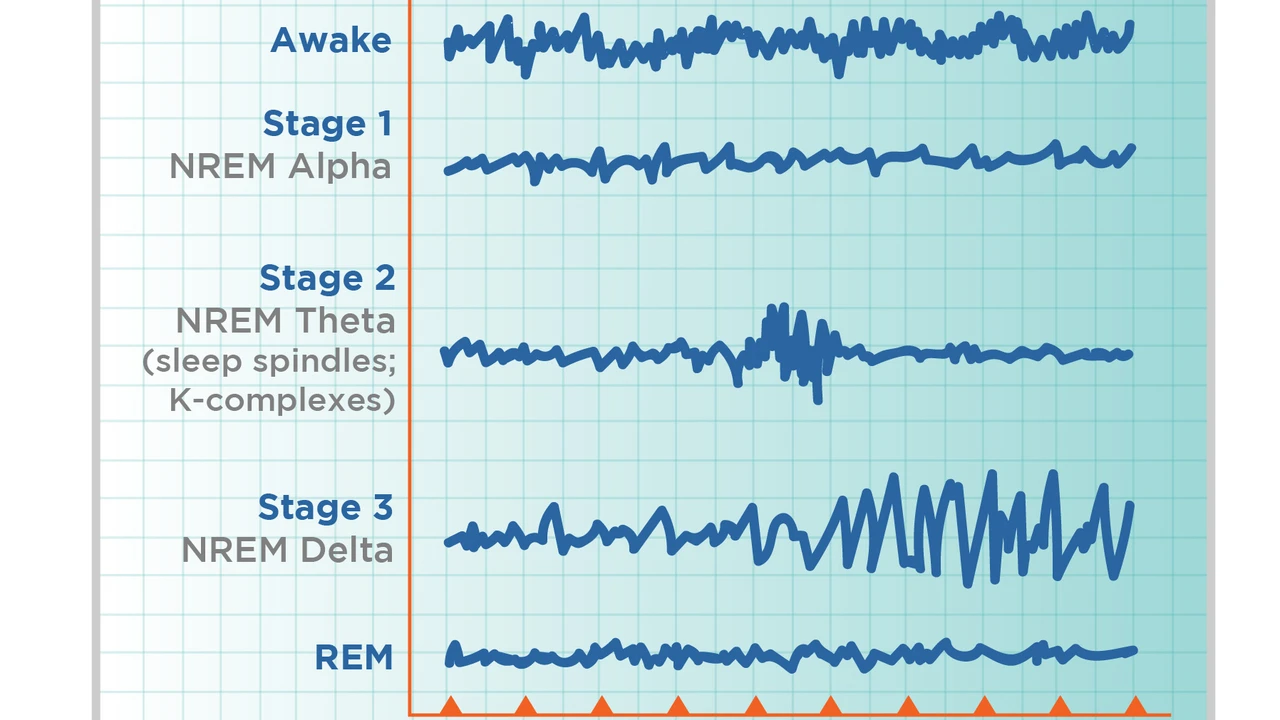
To really optimize our sleep, it helps to understand how it works. Sleep isn't just one long, continuous state; it's a series of cycles, each lasting about 90 minutes, and each cycle has different stages. We've got NREM (Non-Rapid Eye Movement) sleep, which includes light sleep and deep sleep, and then REM (Rapid Eye Movement) sleep. Deep sleep, also known as slow-wave sleep, is where a lot of the magic happens for anti-aging. This is when your body releases human growth hormone (HGH), which is vital for cell repair, muscle growth, and maintaining youthful skin. It's also when your immune system gets a major boost. REM sleep, on the other hand, is crucial for cognitive functions, memory consolidation, and emotional regulation. If you're constantly waking up feeling tired, it might be because you're not getting enough of these critical deep and REM sleep stages. Disruptions to these cycles, whether from stress, caffeine, alcohol, or an inconsistent schedule, can throw off your body's natural repair processes, leading to accelerated aging. Aiming for 7-9 hours of quality sleep, allowing your body to complete multiple full sleep cycles, is key for maximizing these anti-aging benefits.
Creating Your Ideal Sleep Environment for Restorative Sleep
Your bedroom isn't just a room; it's your sanctuary for anti-aging. The environment you sleep in plays a massive role in the quality of your rest. Let's break down how to make it perfect. First up, darkness. Even a tiny bit of light can disrupt melatonin production, your body's natural sleep hormone. Think blackout curtains, eye masks, and covering up any glowing electronics. Next, temperature. Most experts agree that a cooler room, somewhere between 60-67°F (15-19°C), is ideal for sleep. Your body naturally drops its core temperature to initiate sleep, so a cool room helps that process along. Then there's sound. A quiet room is best, but if you live in a noisy area, consider white noise machines or earplugs. White noise can mask sudden disturbances and create a consistent, soothing background. Finally, comfort. This includes your mattress, pillows, and bedding. Invest in a good quality mattress that supports your spine and pillows that keep your neck aligned. Breathable, comfortable bedding can also make a huge difference. By optimizing these elements, you're setting yourself up for deeper, more restorative sleep, which directly translates to better anti-aging benefits.
Top Sleep Tracking Devices for Anti-Aging Insights
Want to know how well you're really sleeping? Sleep trackers can give you some fantastic insights into your sleep patterns, helping you identify areas for improvement. Here are a few popular options, their features, and what they might cost:
Oura Ring Gen3
- Features: Worn on your finger, the Oura Ring tracks sleep stages (REM, deep, light), heart rate, heart rate variability (HRV), body temperature, and respiratory rate. It provides a daily 'Sleep Score' and 'Readiness Score' to guide your day. It also tracks activity.
- Use Case: Excellent for those who want comprehensive, accurate sleep data without wearing a watch to bed. It's discreet and comfortable.
- Comparison: Generally considered one of the most accurate consumer sleep trackers, especially for sleep stages and HRV.
- Price: Around $299-$349, plus a monthly membership fee (around $6) for full features.
Whoop 4.0
- Features: A wrist-worn strap that continuously monitors heart rate, HRV, skin temperature, and sleep stages. It focuses heavily on 'Strain' (activity) and 'Recovery' (sleep), providing personalized recommendations.
- Use Case: Ideal for athletes or anyone serious about optimizing recovery and performance, as it integrates sleep data with daily activity levels.
- Comparison: Offers very detailed physiological data, but doesn't have a screen like a smartwatch. It's subscription-based.
- Price: Requires a membership, starting from $30/month (or less with longer commitments), which includes the device.
Garmin Forerunner Series (e.g., Forerunner 965)
- Features: While primarily a running watch, many high-end Garmin models offer advanced sleep tracking, including sleep stages, Pulse Ox (blood oxygen saturation), and a 'Body Battery' energy monitor.
- Use Case: Great for active individuals who want a single device for both fitness tracking and sleep insights.
- Comparison: Offers a good balance of fitness and sleep tracking, with a robust ecosystem. Sleep tracking is generally good but might not be as granular as dedicated sleep trackers.
- Price: Varies widely by model, e.g., Forerunner 965 is around $599.
Apple Watch Series (e.g., Apple Watch Ultra 2)
- Features: Tracks sleep stages, heart rate, blood oxygen, and wrist temperature (on newer models). Integrates well with the Apple Health ecosystem.
- Use Case: Best for iPhone users who want a versatile smartwatch that also provides decent sleep tracking.
- Comparison: Convenient for existing Apple users. Sleep tracking has improved significantly but might not be as medically validated as some dedicated devices.
- Price: Varies by model, e.g., Apple Watch Ultra 2 is around $799.
Withings Sleep Tracking Mat
- Features: A mat placed under your mattress that tracks sleep cycles, heart rate, snoring, and breathing disturbances. No wearable required.
- Use Case: Perfect for those who dislike wearing anything to bed but still want detailed sleep analysis.
- Comparison: Offers a unique, non-wearable approach to sleep tracking. Good for detecting sleep apnea indicators.
- Price: Around $129.95.
When choosing a tracker, consider what data is most important to you, your comfort preferences, and your budget. Remember, these devices are tools to provide insights; they don't replace good sleep hygiene!
Optimizing Your Evening Routine for Anti-Aging Sleep
What you do in the hours leading up to bedtime can make or break your sleep quality. A consistent, calming evening routine signals to your body that it's time to wind down and prepare for restorative sleep. Let's talk about some key strategies:
The Power of a Consistent Sleep Schedule
This is probably the most important one. Going to bed and waking up at roughly the same time every day, even on weekends, helps regulate your body's natural circadian rhythm. This internal clock dictates when you feel sleepy and when you feel awake. When you mess with it, your body gets confused, making it harder to fall asleep and wake up refreshed. Consistency trains your body to expect sleep at a certain time, optimizing hormone release and sleep cycles for maximum anti-aging benefits.
Limiting Blue Light Exposure Before Bed
Our modern lives are full of screens – phones, tablets, computers, TVs. These devices emit blue light, which can suppress melatonin production, making it harder to fall asleep. Try to power down all screens at least 60-90 minutes before bed. If you absolutely must use a screen, enable night mode or use blue light filtering glasses. This simple change can significantly improve your sleep onset and quality.
Mindful Relaxation Techniques for Deeper Sleep
Stress and anxiety are huge sleep disruptors. Incorporating relaxation techniques into your evening routine can help calm your mind and body. This could be anything from reading a physical book (not on a screen!), taking a warm bath with Epsom salts, listening to calming music or a guided meditation, or practicing gentle stretching or yoga. Even a few minutes of deep breathing exercises can make a big difference. The goal is to shift your mind from active thinking to a more relaxed state, preparing it for sleep.
The Impact of Diet and Hydration on Sleep Quality
What you eat and drink, especially in the evening, can profoundly affect your sleep. Avoid heavy, fatty meals close to bedtime, as your body will be working hard to digest them instead of focusing on repair. Similarly, cut out caffeine and alcohol several hours before sleep. While alcohol might make you feel drowsy initially, it disrupts sleep cycles later in the night, leading to fragmented and less restorative sleep. Stay hydrated throughout the day, but try to limit fluids right before bed to avoid frequent bathroom trips. Opt for light, easily digestible snacks if you're hungry, like a banana or a small handful of almonds.
Supplements and Tools to Enhance Anti-Aging Sleep
While lifestyle changes are paramount, certain supplements and tools can offer an extra boost for optimizing your sleep for anti-aging. Always consult with a healthcare professional before starting any new supplement regimen.
Melatonin Supplements for Sleep Regulation
- What it is: Melatonin is a hormone naturally produced by your body that signals it's time to sleep. Supplements can help regulate your sleep-wake cycle, especially if you have jet lag or shift work.
- Use Case: Best for short-term use to reset your circadian rhythm or for occasional sleeplessness. Not a long-term solution for chronic insomnia.
- Comparison: Available in various dosages (1mg, 3mg, 5mg, 10mg). Lower doses are often more effective than higher ones, as too much can lead to grogginess.
- Product Recommendation: Nature Made Melatonin 3 mg (around $10 for 120 tablets). It's a reliable, widely available brand.
Magnesium for Relaxation and Muscle Function
- What it is: Magnesium is an essential mineral involved in over 300 biochemical reactions in the body, including muscle and nerve function, blood glucose control, and blood pressure regulation. It also plays a role in relaxing muscles and calming the nervous system.
- Use Case: Can help with muscle cramps, restless legs, and general relaxation, which can improve sleep quality. Many people are deficient in magnesium.
- Comparison: Different forms exist. Magnesium glycinate is often recommended for sleep as it's well-absorbed and less likely to cause digestive upset than magnesium citrate.
- Product Recommendation: Thorne Research Magnesium Bisglycinate (around $25 for 60 capsules). Known for high quality and bioavailability.
L-Theanine for Calmness Without Drowsiness
- What it is: An amino acid found primarily in green tea. It promotes relaxation and reduces stress without causing drowsiness.
- Use Case: Great for calming an overactive mind before bed, especially if anxiety keeps you awake. Can be taken during the day for focus without jitters.
- Comparison: Often combined with other sleep aids, but effective on its own for gentle relaxation.
- Product Recommendation: NOW Foods L-Theanine 200 mg (around $15 for 60 capsules). A good value and reputable brand.
Weighted Blankets for Anxiety and Deeper Sleep
- What it is: A blanket filled with glass beads or plastic pellets, designed to be heavier than a regular blanket. The gentle pressure mimics deep touch pressure stimulation, which can be calming.
- Use Case: Can help reduce anxiety, promote relaxation, and potentially lead to deeper, more restorative sleep.
- Comparison: Choose a blanket that's about 10% of your body weight. Materials and fill types vary.
- Product Recommendation: Gravity Blanket (around $180-$250 depending on size/weight). A popular, high-quality option. For a more budget-friendly choice, consider the YnM Weighted Blanket (around $50-$80).
Aromatherapy Diffusers and Essential Oils for Relaxation
- What it is: Diffusers disperse essential oils into the air, allowing you to inhale their therapeutic properties. Lavender, chamomile, and frankincense are popular for sleep.
- Use Case: Creates a calming atmosphere in your bedroom, signaling to your body that it's time to relax.
- Comparison: Ultrasonic diffusers are common and use water to create a fine mist. Nebulizing diffusers use no water and provide a more potent aroma.
- Product Recommendation (Diffuser): ASAKUKI 500ml Essential Oil Diffuser (around $30). Good capacity and features.
- Product Recommendation (Essential Oil): doTERRA Lavender Essential Oil (around $25 for 15ml). High-quality, pure lavender oil. For a more affordable option, NOW Foods Lavender Essential Oil (around $10 for 30ml).
Remember, these are aids, not magic bullets. They work best when combined with a solid sleep hygiene routine.
The Link Between Sleep Deprivation and Accelerated Aging
Let's get real about what happens when we consistently skimp on sleep. It's not just about feeling tired; it's about actively speeding up the aging process. When you don't get enough quality sleep, your body's ability to repair itself is severely compromised. This leads to a cascade of negative effects that contribute to premature aging:
Cellular Damage and DNA Repair
During deep sleep, your body is busy repairing cellular damage and even fixing DNA. Chronic sleep deprivation means less time for these crucial repair mechanisms, leading to an accumulation of damage. This can manifest as faster cellular aging, which impacts everything from your skin to your internal organs.
Hormonal Imbalance and Anti-Aging Hormones
Sleep is a major regulator of hormones. Insufficient sleep can disrupt the balance of key hormones like cortisol (the stress hormone), human growth hormone (HGH), and melatonin. Elevated cortisol levels due to lack of sleep can break down collagen, leading to wrinkles and sagging skin. Reduced HGH means less cellular repair and regeneration. And low melatonin not only affects sleep but also acts as a powerful antioxidant, protecting your cells from damage.
Inflammation and Oxidative Stress
Lack of sleep is a known trigger for increased inflammation and oxidative stress in the body. Both of these are major drivers of aging and contribute to chronic diseases like heart disease, diabetes, and neurodegenerative conditions. When your body is constantly in a state of low-grade inflammation, it's essentially aging faster from the inside out.
Cognitive Decline and Brain Health
Your brain uses sleep to clear out metabolic waste products, including amyloid-beta, a protein linked to Alzheimer's disease. When you don't get enough sleep, this 'brain wash' doesn't happen effectively, leading to a buildup of toxins and impaired cognitive function. This can accelerate brain aging, affecting memory, focus, and overall mental sharpness.
Skin Health and Appearance
Ever heard of 'beauty sleep'? It's real! Sleep deprivation leads to increased cortisol, which can break down collagen and elastin, the proteins that keep your skin firm and smooth. You'll notice more fine lines, wrinkles, dullness, and dark circles. Your skin also repairs itself at night, so less sleep means less time for this regeneration, making you look older than you are.
So, prioritizing sleep isn't just about feeling good; it's a fundamental strategy for slowing down the aging process and maintaining your health and vitality for years to come. Make it a non-negotiable part of your anti-aging regimen!
Long-Term Sleep Habits for Sustained Youthfulness
Okay, so we've talked about immediate fixes and understanding sleep, but what about the long game? Sustaining youthfulness through sleep isn't a one-time thing; it's about building consistent, healthy habits that become second nature. Think of it as a daily investment in your future self.
Prioritizing Sleep as a Non-Negotiable
First and foremost, you need to genuinely prioritize sleep. In our busy world, it's easy to let work, social life, or entertainment eat into our sleep time. But if you view sleep as essential for your health, appearance, and cognitive function – which it absolutely is – you'll be more likely to protect that time. Schedule your sleep just like you would a meeting or a workout. Make it a non-negotiable part of your day.
Regular Exercise and Its Impact on Sleep Quality
Getting regular physical activity is fantastic for sleep, but timing is key. Moderate to vigorous exercise during the day can help you fall asleep faster and enjoy deeper sleep. However, intense workouts too close to bedtime can be counterproductive, as they can elevate your heart rate and body temperature, making it harder to wind down. Aim to finish your workouts at least 3-4 hours before you plan to hit the hay.
Stress Management Techniques for Better Sleep
Chronic stress is a huge enemy of good sleep. Finding effective ways to manage stress throughout your day can significantly improve your nighttime rest. This could involve mindfulness meditation, journaling, spending time in nature, practicing gratitude, or engaging in hobbies you enjoy. The goal is to reduce the mental chatter and anxiety that often keeps us awake at night.
The Role of Nutrition in Supporting Healthy Sleep Patterns
We touched on this earlier, but it's worth reiterating for long-term habits. A balanced diet rich in whole foods, fruits, vegetables, and lean proteins supports overall health, which in turn supports better sleep. Foods rich in magnesium (leafy greens, nuts, seeds), tryptophan (turkey, chicken, eggs), and complex carbohydrates can be particularly beneficial. Conversely, consistently consuming excessive sugar, processed foods, and unhealthy fats can disrupt sleep patterns and contribute to inflammation, accelerating aging.
When to Seek Professional Help for Sleep Issues
While these strategies are incredibly effective for most people, sometimes sleep issues run deeper. If you've consistently tried to optimize your sleep and are still struggling with insomnia, excessive daytime sleepiness, loud snoring, or suspect you might have a sleep disorder like sleep apnea or restless legs syndrome, it's crucial to seek professional help. A doctor or a sleep specialist can diagnose underlying conditions and recommend appropriate treatments, which could include cognitive behavioral therapy for insomnia (CBT-I), CPAP machines, or other medical interventions. Don't suffer in silence; good sleep is too important for your anti-aging journey to ignore persistent problems.
By integrating these long-term habits into your daily life, you're not just chasing a good night's sleep; you're actively building a foundation for sustained health, vitality, and a more youthful you for years to come. Sweet dreams and happy aging!
:max_bytes(150000):strip_icc()/277019-baked-pork-chops-with-cream-of-mushroom-soup-DDMFS-beauty-4x3-BG-7505-5762b731cf30447d9cbbbbbf387beafa.jpg)