Mindful Eating Practices for Better Digestion and Awareness
Practice mindful eating for better digestion and awareness. Savor your food and improve your relationship with eating.
Practice mindful eating for better digestion and awareness. Savor your food and improve your relationship with eating.
Mindful Eating Practices for Better Digestion and Awareness
Hey there, health enthusiasts! Ever found yourself scarfing down a meal without really tasting it, only to feel bloated or unsatisfied afterward? You're not alone. In our fast-paced world, eating has often become another task to rush through. But what if we told you there's a way to transform your meals into moments of pleasure, improve your digestion, and even foster a healthier relationship with food? Welcome to the world of mindful eating.
Mindful eating isn't a diet; it's a practice. It's about bringing full awareness to your eating experience, engaging all your senses, and truly listening to your body's hunger and fullness cues. It's about slowing down, savoring each bite, and understanding why, what, and how you eat. This isn't just some New Age fad; there's a growing body of scientific evidence supporting its benefits for both physical and mental well-being. So, let's dive deep into how you can cultivate mindful eating practices for better digestion and a more conscious approach to food.
Understanding Mindful Eating What It Really Means
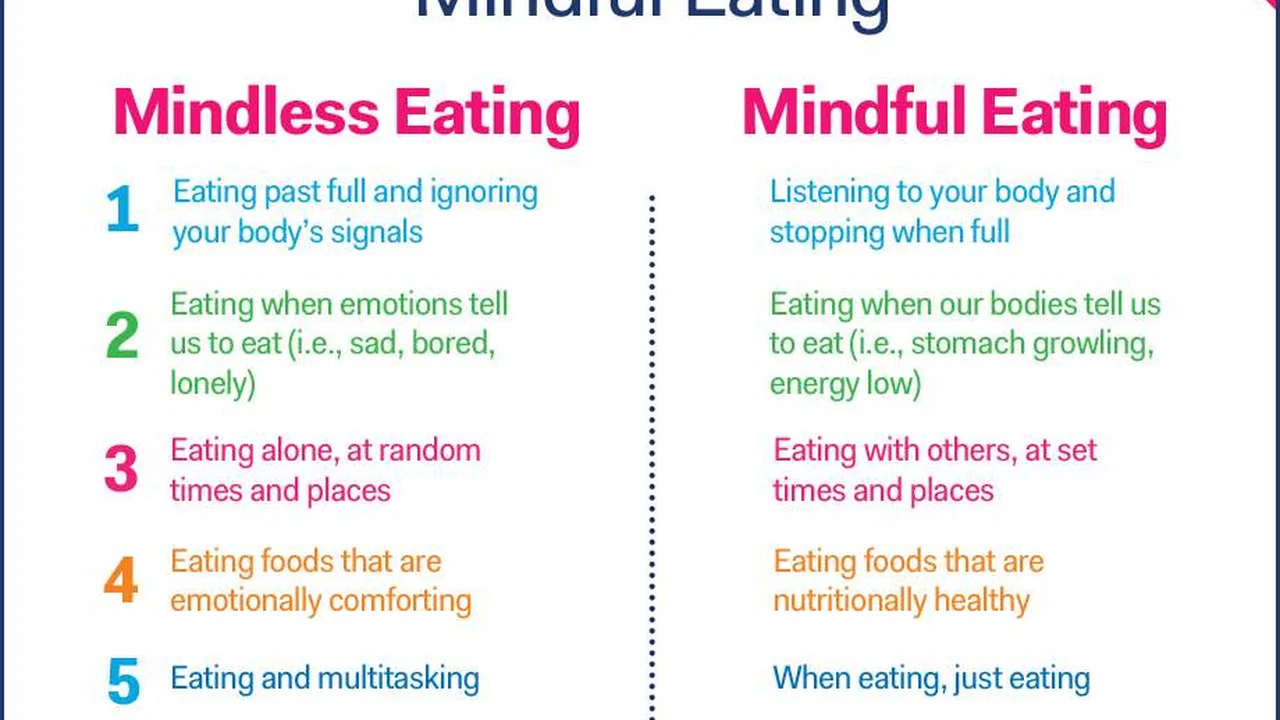
At its core, mindful eating is an application of mindfulness meditation to the act of eating. It means paying attention to the present moment, without judgment, as you prepare, serve, and consume your food. This involves noticing the colors, textures, aromas, and flavors of your meal. It also means tuning into your body's internal signals – true hunger, satiety, and how different foods make you feel. It's a stark contrast to 'mindless eating,' which often involves eating on the go, in front of a screen, or out of habit or emotion rather than genuine hunger.
Think about it: how often do you eat while scrolling through your phone, watching TV, or working? When you're distracted, your brain isn't fully registering the act of eating. This can lead to overeating because you don't feel satisfied, even if you've consumed enough calories. Mindful eating helps bridge this gap, reconnecting your mind and body during meal times.
The Science Behind Mindful Eating How It Boosts Digestion and Awareness
The benefits of mindful eating extend far beyond just enjoying your food more. When you eat mindfully, you're actually setting your digestive system up for success. Here's how:
- Improved Digestion: When you slow down and chew your food thoroughly, you're giving your digestive enzymes more time to work. This breaks down food into smaller particles, making it easier for your stomach and intestines to process. Rushing through meals can lead to indigestion, bloating, and discomfort.
- Enhanced Nutrient Absorption: Better digestion means better absorption of essential nutrients. When food is properly broken down, your body can extract more vitamins, minerals, and other beneficial compounds.
- Better Hunger and Fullness Cues: Mindful eating helps you re-learn your body's natural hunger and fullness signals. Many of us have become disconnected from these cues, leading to eating when not truly hungry or continuing to eat past the point of satiety.
- Reduced Overeating and Weight Management: By recognizing fullness cues, you're less likely to overeat. This can naturally lead to better weight management without restrictive dieting.
- Reduced Emotional Eating: Mindful eating encourages you to identify the true reasons behind your eating. Are you hungry, bored, stressed, or sad? By recognizing emotional triggers, you can develop healthier coping mechanisms that don't involve food.
- Stress Reduction: The act of slowing down and focusing on the present moment during meals can be a form of meditation in itself, helping to reduce overall stress levels.
- Increased Enjoyment of Food: When you truly savor your food, you appreciate its flavors, textures, and aromas more, making eating a more pleasurable experience.
Practical Mindful Eating Techniques and Exercises for Daily Life
Ready to give mindful eating a try? Here are some practical techniques and exercises you can incorporate into your daily routine:
The Raisin Exercise A Classic Mindful Eating Introduction
This is a classic exercise often used to introduce people to mindfulness. Grab a single raisin (or a small piece of chocolate, a berry, anything small and easy to observe).
- See: Hold the raisin in your palm. Look at it as if you've never seen one before. Notice its color, texture, shape, and any ridges or folds.
- Touch: Roll it between your fingers. Feel its texture – is it soft, firm, sticky?
- Smell: Bring it close to your nose. Inhale deeply and notice any scent.
- Place: Slowly place the raisin in your mouth, but don't chew yet. Notice how it feels on your tongue.
- Taste: Gently roll it around your mouth. Notice any initial flavors.
- Chew: Slowly begin to chew, noticing the burst of flavor, the change in texture. Chew thoroughly, perhaps 20-30 times, before swallowing.
- Swallow: Notice the sensation of swallowing and the lingering taste.
This simple exercise can be a powerful eye-opener to how much we miss when we eat mindlessly.
Creating a Mindful Eating Environment Setting the Stage for Conscious Consumption
Your environment plays a huge role in how you eat. Try these tips:
- Eliminate Distractions: Turn off the TV, put away your phone, close your laptop. Make mealtime a dedicated activity.
- Eat at a Table: Avoid eating in your car, standing over the sink, or walking around. Sit down at a table, even if you're alone.
- Use Smaller Plates: This can trick your brain into thinking you have more food, potentially leading to eating less.
- Set the Mood: Light a candle, play some calming music, or simply enjoy the quiet. Make your eating space inviting.
Tuning into Hunger and Fullness Cues The Hunger-Fullness Scale
Before you eat, ask yourself: 'Am I truly hungry?' Use a hunger-fullness scale from 1 to 10:
- 1: Starving, faint, dizzy
- 3: Moderately hungry, stomach rumbling
- 5: Neutral, neither hungry nor full
- 7: Satisfied, comfortable, no longer hungry
- 10: Stuffed, nauseous, uncomfortable
Aim to start eating around a 3 or 4 and stop around a 6 or 7. This takes practice, but it's incredibly effective.
Slowing Down Your Pace Practical Tips for Deliberate Eating
- Put Down Your Utensils: After each bite, put your fork or spoon down. Don't pick it up again until you've fully chewed and swallowed.
- Take Smaller Bites: This naturally slows you down and allows you to savor each mouthful.
- Chew Thoroughly: Aim for 20-30 chews per bite, or until the food is almost liquid.
- Take Breaks: Pause halfway through your meal. Check in with your hunger and fullness levels.
- Engage Your Senses: Before each bite, take a moment to look at your food, smell it, and notice its texture.
Mindful Eating Tools and Apps Enhancing Your Journey
While mindful eating is primarily an internal practice, there are some fantastic tools and apps that can support your journey. These aren't replacements for the practice itself, but rather helpful aids to keep you on track and provide guidance.
Top Mindful Eating Apps Digital Companions for Conscious Consumption
These apps offer guided meditations, tracking features, and educational content to help you cultivate mindful eating habits.
1. Am I Hungry Mindful Eating Program
- Description: Developed by Dr. Michelle May, a physician and mindful eating expert, this app is based on her popular 'Am I Hungry?' program. It offers a structured approach to mindful eating, helping users distinguish between physical and emotional hunger. It includes guided exercises, daily check-ins, and educational content.
- Key Features: Hunger and fullness scale tracking, guided mindful eating exercises, journaling prompts, educational videos, and articles.
- Use Case: Ideal for beginners who want a comprehensive, structured program to understand and implement mindful eating principles. It's particularly good for those struggling with emotional eating or chronic dieting.
- Comparison: More structured and educational than general meditation apps. Focuses specifically on eating behaviors.
- Pricing: Often offers a free trial, with subscription plans typically ranging from $9.99/month to $59.99/year.
2. Headspace
- Description: While primarily a meditation app, Headspace includes several guided meditations specifically focused on mindful eating. These sessions help users slow down, pay attention to their senses, and become more aware of their body's signals during meals.
- Key Features: Extensive library of guided meditations, including specific mindful eating sessions, sleep stories, and focus music. User-friendly interface.
- Use Case: Great for individuals already familiar with meditation or those looking for a broader mindfulness practice that includes eating. It's less about tracking and more about guided awareness.
- Comparison: Broader in scope than dedicated mindful eating apps, but its mindful eating modules are high quality.
- Pricing: Offers a free trial with limited content. Full access requires a subscription, typically $12.99/month or $69.99/year.
3. Calm
- Description: Similar to Headspace, Calm is a popular meditation and sleep app that also features guided mindful eating meditations. These sessions are designed to help users bring awareness and intention to their meals, reducing distractions and enhancing the eating experience.
- Key Features: Guided meditations, sleep stories, breathing exercises, and mindful eating sessions. Known for its soothing interface and nature sounds.
- Use Case: Excellent for those who want a holistic approach to mindfulness, including sleep and general stress reduction, with mindful eating as a component.
- Comparison: Very similar to Headspace in its offering, often a matter of personal preference for interface and voice guidance.
- Pricing: Free trial available. Premium subscription is usually $14.99/month or $69.99/year.
4. The Mindful Eating App (by The Center for Mindful Eating)
- Description: This app is directly from The Center for Mindful Eating, a non-profit organization dedicated to promoting mindful eating. It offers a straightforward approach with daily practices, reflections, and resources.
- Key Features: Daily mindful eating exercises, journaling, reflections, and access to articles and resources from experts.
- Use Case: Best for those who want a direct, no-frills approach to mindful eating from a reputable source. It's less about fancy features and more about consistent practice.
- Comparison: More focused and less gamified than some other apps, emphasizing the core principles of mindful eating.
- Pricing: Often a one-time purchase, or a low monthly subscription, typically around $4.99/month or $29.99/year.
Mindful Eating Journals and Planners Analog Aids for Reflection
Sometimes, going analog can be just as effective, if not more so, for reflection and awareness. A physical journal can help you track your eating patterns, emotions, and physical sensations.
1. The Mindful Eating Journal by The Wellness Journal Co.
- Description: This journal provides structured prompts to help you reflect on your hunger levels, emotions before and after eating, food choices, and overall eating experience. It encourages self-awareness and helps identify patterns.
- Key Features: Daily prompts for hunger/fullness, emotional state, food consumed, sensory experience, and reflections. Space for gratitude.
- Use Case: Perfect for those who prefer writing things down and want a guided approach to self-reflection around their eating habits.
- Comparison: More structured than a blank notebook, offering specific areas to focus on for mindful eating.
- Pricing: Typically ranges from $15-$25 for a physical journal.
2. Intuitive Eating Workbook by Evelyn Tribole and Elyse Resch
- Description: While not strictly a 'mindful eating' journal, this workbook is an excellent companion to the principles of intuitive eating, which heavily overlaps with mindfulness. It provides exercises and reflections to help you reconnect with your body's wisdom.
- Key Features: Exercises for challenging the food police, honoring hunger, feeling fullness, coping with emotions without food, and respecting your body.
- Use Case: Ideal for those who want to move beyond dieting and cultivate a truly intuitive and mindful relationship with food.
- Comparison: A comprehensive workbook that goes deeper into the psychological aspects of eating than a simple food journal.
- Pricing: Around $15-$20 for the physical workbook.
Mindful Eating Utensils and Dinnerware Enhancing the Sensory Experience
Believe it or not, the tools you use to eat can also influence your mindful eating practice. These items are designed to encourage slower eating and greater sensory engagement.
1. Slow Eating Forks (e.g., 'HapiFork' or similar smart forks)
- Description: These are smart forks designed to vibrate or light up if you're eating too fast. They track your eating speed, bite frequency, and meal duration, providing real-time feedback.
- Key Features: Vibration alerts for fast eating, data tracking (bites per minute, meal duration), app connectivity for progress monitoring.
- Use Case: Excellent for individuals who struggle with eating too quickly and need a tangible, immediate reminder to slow down.
- Comparison: A technological solution to a behavioral problem, offering objective data that traditional mindful eating doesn't.
- Pricing: Can be quite pricey, ranging from $50-$100+.
2. Textured Dinnerware (e.g., ceramic bowls with unique textures)
- Description: Plates and bowls with subtle textures or unique designs can enhance the visual and tactile experience of eating, encouraging you to pay more attention to your food.
- Key Features: Unique glazes, embossed patterns, or irregular shapes that invite closer inspection and touch.
- Use Case: For those who want to elevate their dining experience and use aesthetics as a prompt for mindfulness.
- Comparison: A subtle, non-intrusive way to encourage mindfulness compared to smart gadgets.
- Pricing: Varies widely depending on brand and craftsmanship, from $10-$50+ per piece.
3. Smaller Portion Plates and Bowls
- Description: While not strictly 'mindful eating' tools, using smaller plates and bowls can subtly encourage mindful portioning and awareness of how much you're actually eating.
- Key Features: Reduced diameter or depth compared to standard dinnerware.
- Use Case: Helpful for portion control and for visually signaling to your brain that you have a full plate, even with less food.
- Comparison: A simple, effective behavioral nudge that complements mindful eating principles.
- Pricing: Standard dinnerware pricing, often available in sets for $20-$50.
Overcoming Common Mindful Eating Challenges and Pitfalls
Like any new practice, mindful eating comes with its own set of challenges. Don't get discouraged if you don't get it right away!
Dealing with Distractions Strategies for Staying Focused
Distractions are everywhere. If you find your mind wandering, gently bring your attention back to your food. It's not about perfection, but about consistent effort. Try setting a timer for the first 5-10 minutes of your meal to focus solely on eating.
Managing Emotional Eating Healthy Alternatives to Food
Emotional eating is a big one. When you feel the urge to eat due to stress, boredom, or sadness, pause and ask yourself: 'What do I really need right now?' It might be a walk, a phone call with a friend, a warm bath, or a few deep breaths. Having a list of non-food coping mechanisms can be incredibly helpful.
Navigating Social Situations Mindful Eating in Company
Eating mindfully in social settings can be tricky. You don't want to make others uncomfortable. The key is subtle integration. You can still engage in conversation while taking smaller bites, chewing thoroughly, and pausing between mouthfuls. You don't need to announce your mindful eating practice; just do it quietly.
Patience and Self-Compassion The Journey of Mindful Eating
Mindful eating is a journey, not a destination. There will be days when you eat mindlessly, and that's okay. Don't beat yourself up. Acknowledge it, learn from it, and recommit to the practice at your next meal. Self-compassion is a crucial ingredient for sustainable change.
Integrating Mindful Eating into a Holistic Health Lifestyle
Mindful eating isn't just about what's on your plate; it's about how you approach life. When you cultivate mindfulness around food, it often spills over into other areas of your life, enhancing your overall well-being.
The Connection Between Mindful Eating and Gut Health
A healthy gut is often called the 'second brain,' and for good reason. Mindful eating directly impacts gut health. By reducing stress during meals, improving digestion, and potentially reducing overeating, you're creating a more favorable environment for your gut microbiome. A diverse and balanced gut flora is linked to better digestion, immunity, and even mood.
Mindful Eating and Stress Reduction Beyond the Plate
The practice of slowing down and focusing on the present moment during meals can act as a mini-meditation session. This regular practice can help reduce overall stress levels, which in turn benefits digestion, sleep, and mental clarity. It's a positive feedback loop: less stress leads to better digestion, which leads to less stress.
Enhancing Your Relationship with Food and Body Image
Perhaps one of the most profound benefits of mindful eating is its ability to heal a troubled relationship with food. By removing judgment and focusing on awareness, you can move away from restrictive dieting and guilt, and towards a place of trust and respect for your body. This can lead to a more positive body image and a sense of freedom around food choices.
So, there you have it. Mindful eating is a powerful practice that can transform your relationship with food, improve your digestion, and enhance your overall well-being. It's not about perfection, but about progress, one mindful bite at a time. Start small, be patient with yourself, and enjoy the journey of rediscovering the joy and nourishment that food can bring.
:max_bytes(150000):strip_icc()/277019-baked-pork-chops-with-cream-of-mushroom-soup-DDMFS-beauty-4x3-BG-7505-5762b731cf30447d9cbbbbbf387beafa.jpg)